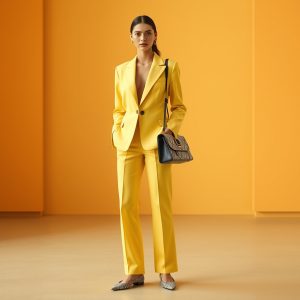
The Resurgence of Retro Aesthetics: How Nostalgia Shapes Modern Fashion Movements
The fashion landscape of the 21st century is a paradox—a relentless cycle of reinvention that simultaneously looks backward. The current revival of retro aesthetics, from the Jazz Age to the Mode Sportif of the 1990s, is not merely a fleeting trend but a cultural commentary on modernity itself. Designers and consumers alike are drawn to the past, not out of mere nostalgia, but as a deliberate act of resistance against the ephemeral nature of contemporary life. This phenomenon is most evident in the resurgence of styles like Poet Core, Utility Dressing, and Recreation Dressing, each offering a distinct lens through which to critique—or escape—today’s fast-paced world.
The Allure of Slow Living in a Hyperconnected World
The Slow Living movement has seeped into fashion, manifesting in the form of Romantic Fabrics and artisanal craftsmanship. Linen, lace, and brocade—once dismissed as impractical—are now celebrated for their tactile richness and timeless appeal. This shift is not accidental; it reflects a collective exhaustion with the disposable nature of fast fashion. The Guardian Design ethos, which prioritizes durability and ethical production, aligns seamlessly with this trend. Brands that once chased the next viral micro-trend are now investing in pieces meant to last decades, not seasons. The irony, of course, is that this return to permanence is itself a reaction to the very industry that once championed obsolescence.
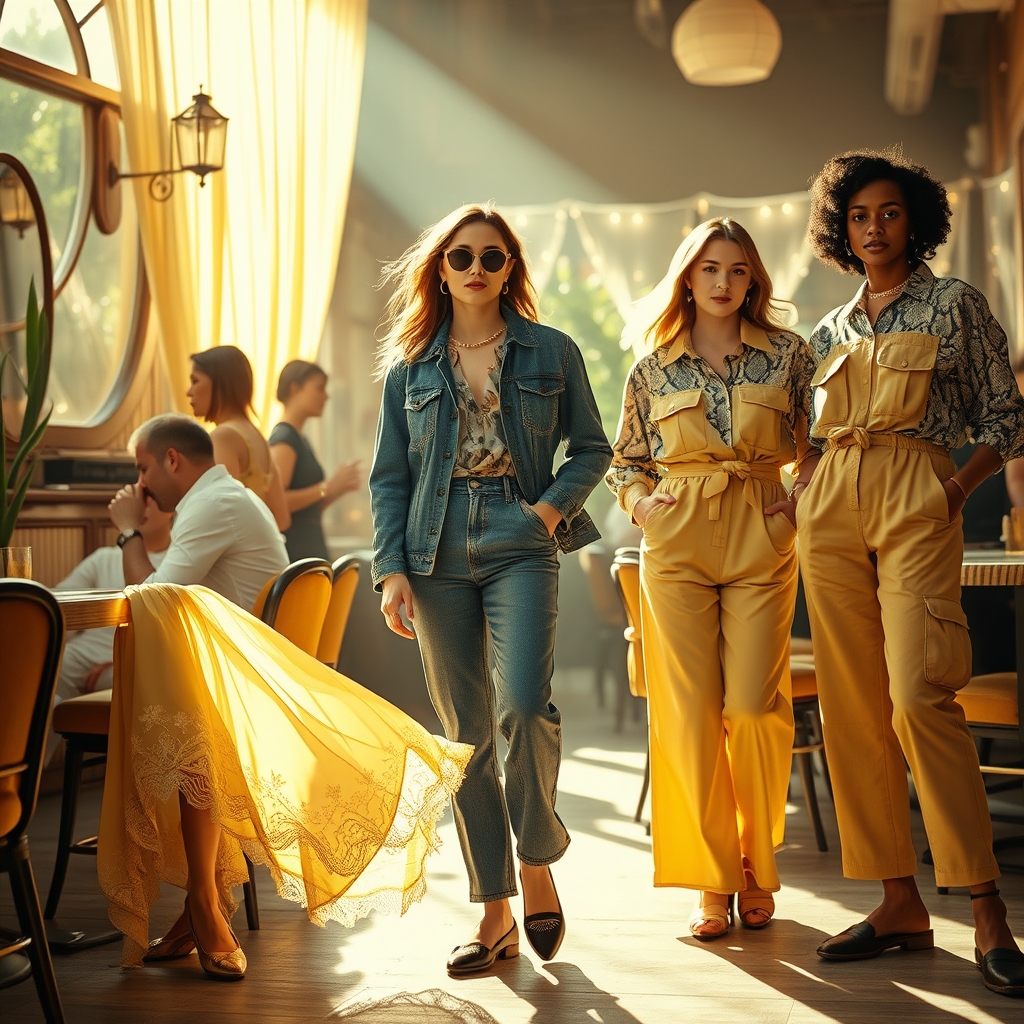
Consider the resurgence of Ballet Flats and Moccasins, footwear that embodies both comfort and elegance. These styles, rooted in early 20th-century design, have been reimagined with modern sensibilities—think Butter Yellow or Creamy Yellow hues that evoke warmth and optimism. The popularity of such pieces underscores a broader cultural desire for simplicity, a counterpoint to the chaos of digital life. Even the Glamoratti of today’s red carpets are eschewing towering heels in favor of these understated classics, proving that sophistication need not come at the expense of comfort.
The Bold and the Beautiful: Animal Prints and Brut Denim
If Slow Living represents fashion’s introspective turn, then the unapologetic embrace of Animal Print and Snake Print signifies its rebellious streak. These patterns, once relegated to the fringes of haute couture, have infiltrated mainstream wardrobes with a vengeance. The appeal lies in their duality: they are both primal and polished, a juxtaposition that mirrors the contradictions of modern identity. A Brut Denim jacket paired with a Snake Print scarf is not just an outfit—it’s a statement. It says, “I am both wild and refined, untamed and controlled.”
This dichotomy is particularly evident in the rise of Prints Galore, where maximalism reigns supreme. The Retro Summer aesthetic, for instance, borrows heavily from the 1970s, a decade defined by its audacious use of color and pattern. Today’s designers are reinterpreting these motifs with a contemporary edge, blending vintage silhouettes with modern fabrics. The result is a visual language that feels both familiar and fresh, a testament to fashion’s ability to recycle the past without merely replicating it.
From Sportif to Utility: The Functional Turn in Fashion
The Mode Sportif movement, which emerged in the late 20th century, has evolved into something far more nuanced than its origins in athletic wear. Today, Sportif is less about performance and more about versatility—a reflection of the modern consumer’s demand for clothing that adapts to their lifestyle. The Utility Dressing trend, with its emphasis on pockets, durable fabrics, and modular designs, is a direct descendant of this ethos. It’s fashion that works as hard as its wearer, a far cry from the delicate, impractical pieces that once dominated runways.
Yet, even within this functional framework, there is room for romance. The Poet Core aesthetic, with its flowing sleeves and ethereal layers, offers a counterbalance to the rigidity of Utility Dressing. It’s a reminder that fashion, at its core, is an art form—one that can be both practical and poetic. The interplay between these two movements is a microcosm of contemporary fashion’s broader identity crisis: How does one reconcile the need for functionality with the desire for beauty? The answer, it seems, lies in the past.
The Jazz Age Revisited: A Lesson in Timelessness
The Jazz Age of the 1920s was a period of unprecedented cultural and sartorial experimentation. The era’s embrace of bold patterns, luxurious fabrics, and androgynous silhouettes feels eerily prescient in today’s context. Designers like Marc Jacobs and Gucci’s Alessandro Michele have mined this period for inspiration, reimagining its flapper dresses and tailored suits for a new generation. The appeal of the Jazz Age is not just its glamour, but its subversion of gender norms—a theme that resonates deeply in today’s conversations about identity and self-expression.
What makes the Jazz Age particularly relevant today is its rejection of rigid categorization. It was an era that thrived on contradiction: the opulence of Glamoratti coexisted with the austerity of post-war recovery. This duality is mirrored in modern fashion’s embrace of both Slow Living and Prints Galore, proving that the most enduring trends are those that refuse to be confined by a single narrative. The past, it turns out, is not a static reference point but a living, breathing influence that evolves alongside the present.
The cyclical nature of fashion is often dismissed as a lack of originality, but this critique overlooks the deeper cultural work that these revivals perform. Each return to the past is an opportunity to recontextualize history, to ask what these aesthetics mean in a new era. The Retro Summer of today is not the same as the Retro Summer of the 1970s, just as the Mode Sportif of the 2020s is not a mere replication of its 1990s predecessor. These revivals are not about replication; they are about reinterpretation. They allow us to engage with the past not as a museum piece, but as a dynamic force that shapes our present—and, in doing so, they remind us that fashion is never just about clothing. It is a language, a form of storytelling, and, above all, a reflection of who we are and who we aspire to be.