The Emperor’s New Abaya: A Witty Deconstruction of Modest Fashion’s Grand Spectacle
Ah, Modest Wear. The term itself conjures images of understated elegance, quiet dignity, and perhaps a refreshing detachment from the frantic merry-go-round of fleeting trends. Or so one would think. In reality, what began as a movement rooted in personal conviction has blossomed (or perhaps, metastasized) into a multi-billion-dollar industry, complete with its own runways, celebrity influencers, and an insatiable appetite for the ‘next big thing.’ It seems modesty, much like irony, is now best served with a hefty price tag and an Instagram filter.
The Paradox of “Modest” Luxury
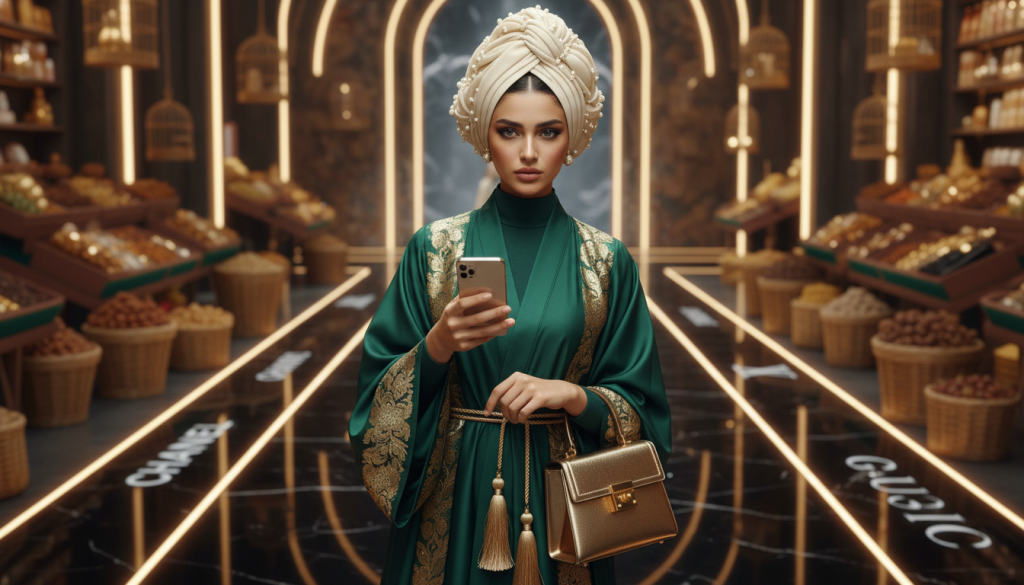
Let’s be brutally honest: there’s nothing particularly modest about a Luxury Abaya crafted from hand-embroidered silk, retailing for the price of a small car. The very phrase feels like a linguistic oxymoron, a sartorial koan designed to make you question everything you thought you knew about humility. We’re told it’s about personal expression, about empowering women to dress according to their values while remaining stylish. And yet, the relentless push for designer hijabs, bespoke abayas, and Modern Kimono Abayas often feels less like empowerment and more like another form of consumerist pressure, albeit one cloaked in spiritual justification. One must wonder if the original intent of modesty involved meticulously matching one’s chiffon headscarf to one’s designer handbag.
Hijab Styling: From Piety to Runway Prowess
Gone are the days when a simple drape sufficed. Now, Hijab Styling is an art form, a complex architectural feat involving pins, sprays, and enough fabric manipulation to rival a haute couture atelier. From intricate Turban Styles to perfectly symmetrical drapes, the pressure to achieve ‘effortless chic’ while maintaining religious adherence is immense. It’s a tightrope walk between faith and fashion, often resulting in gravity-defying headwear that looks less like a humble covering and more like a sculptural masterpiece ready for a gallery opening. And let’s not forget the seasonal rotation of Pastel Hijabs one year, bold prints the next. Because, apparently, even piety needs a refresh every spring.
Islamic Streetwear: Authenticity or Aspiration?
Then there’s the fascinating phenomenon of Islamic Streetwear. What started as a grassroots movement by young designers blending urban aesthetics with modest principles has rapidly been co-opted by major brands. Suddenly, oversized hoodies and cargo pants are ‘halal-certified’ cool, as long as they’re paired with a tastefully branded head covering. It’s a delightful irony: a subculture born from a desire for authenticity and counter-culture cool now finds itself marketed by the very same corporate behemoths it once sought to differentiate from. One wonders if the ‘street’ cred remains when the price tag ascends into the stratosphere, firmly placing it out of reach for the very streets it claims to represent.
Sustainable Modesty: An Oxymoron?
Amidst this whirlwind of consumption, a whisper of Sustainable Modest Fashion occasionally surfaces, quickly drowned out by the clamor for the next Eid Collection. The irony here is particularly sharp. A movement ostensibly about thoughtful living and spiritual discipline finds itself entangled in the fast fashion cycle, churning out collections faster than you can say ‘limited edition.’ The desire for newness, for Instagrammable outfits, often overrides any genuine commitment to ethical production or environmental responsibility. It’s a stark reminder that even the most well-intentioned movements can fall prey to the siren song of capitalism, transforming principles into mere marketing angles.
The Illusion of Choice
Ultimately, the contemporary modest fashion landscape, with its dazzling array of Modest Maxi Dresses, elegant Kaftan Chic ensembles, and even Modest Activewear, presents an interesting dilemma. While it undeniably offers more options than ever before, one must question if this explosion of choice truly empowers, or merely creates new, often expensive, standards to live up to. Is it about freedom, or is it about conforming to a new, hyper-stylized version of ‘modesty’ dictated by glossy magazines and social media feeds? It’s a compelling thought, especially when one considers the subtle pressure to always be ‘on trend,’ even when your trend is supposed to be timeless. Perhaps true modesty, much like true style, lies not in the frantic pursuit of the latest designer abaya or the perfectly pinned turban, but in the quiet confidence of simply being oneself, unburdened by the immodest demands of the fashion industry.