
The Eco-Chic Enigma: Unpacking Sustainable Modest Fashion’s Carbon Footprint of Righteousness
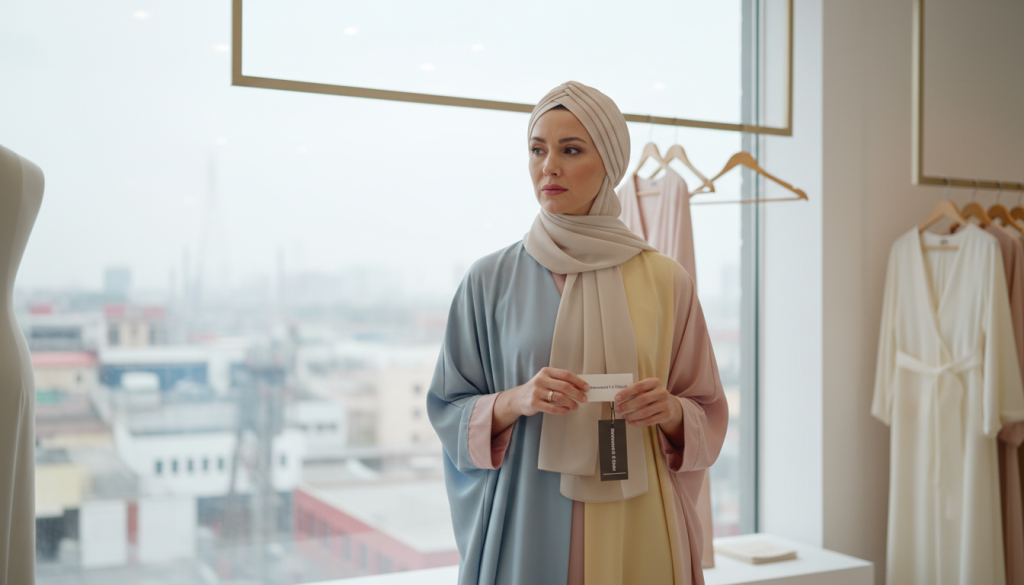
Ah, ‘sustainable modest fashion.’ The very phrase rolls off the tongue with the comforting hum of a well-oiled marketing machine, doesn’t it? It’s the sartorial equivalent of having your cake and eating it too, except the cake is made of ethically sourced quinoa and the eating is done with a reusable bamboo fork. In an era where every brand, from high street to haute couture, is scrambling to slap an ‘eco-friendly’ sticker on anything that isn’t actively bursting into flames, modest wear has, predictably, joined the chorus. But beneath the beautifully draped organic cotton and the serene pastel palettes, one can’t help but wonder: is it truly an enlightened path, or just another clever way to justify more consumption under the guise of virtue?
The Immaculate Conception of ‘Eco-Conscious’ Textiles
One simply *must* admire the sheer audacity of it all. Suddenly, every other modest fashion brand is a beacon of ecological responsibility. We’re told tales of bamboo fabrics that practically grow themselves, of organic cotton spun by artisanal angels, and of dyes extracted from flowers hand-picked by benevolent forest sprites. It’s a narrative so pristine, so utterly devoid of the messy realities of global manufacturing, that it almost makes you want to believe it. Almost.
But let’s peel back a layer, shall we? While the bamboo might be sustainable, what about the energy-intensive processing required to turn it into fabric? What about the vast quantities of water still needed for ‘organic’ cotton, or the carbon footprint of shipping that ‘ethically made’ kaftan from a remote village in one hemisphere to your doorstep in another? The vagueness is, of course, the point. ‘Sustainable’ has become as malleable a term as ‘modest’ itself, stretched and pulled to fit whatever narrative sells the most flowing maxi dresses this season. It’s not about being truly green; it’s about *appearing* green, a subtle, virtuous glow that adds a certain je ne sais quoi to your latest Eid collection.
From Ancient Kaftans to Modern Marketing Marvels
Take the humble kaftan, for instance, or the elegant kimono abaya. These are garments with deep cultural roots, often associated with comfort, timelessness, and a certain dignified simplicity. Now, they’ve been ‘reimagined’ as ‘Kaftan Chic’ or ‘Modern Kimono Abayas’ – elevated, of course, with a price tag that suggests they were hand-woven by silkworms trained in mindfulness meditation. The irony is delicious. We’re now consuming these traditionally modest or culturally significant garments at an unprecedented rate, often under the banner of ‘sustainable fashion’ because they’re ‘timeless’ or ‘trans-seasonal.’
But if they’re so timeless, why is there a new collection every quarter? The very concept of ‘fast modest fashion’ seems to be an oxymoron that someone, somewhere, is making a fortune from. We’re encouraged to invest in ‘staple pieces’ that are meant to last, yet the relentless churn of trends—from pastel hijabs to layered modest outfits—ensures that last season’s ‘staple’ quickly becomes this season’s sartorial faux pas.
The ‘Buy Less, Pay More’ Paradox (Or Just ‘Buy More, Feel Good’?)
The core tenet of true sustainable fashion should, logically, be to *buy less*. To appreciate what you have, mend what’s torn, and truly invest in pieces that endure both physically and aesthetically. But where’s the profit in that? Instead, we’re presented with the ‘sustainable’ solution of buying *different* things, just *better* things. And by ‘better,’ we mean more expensive things, because virtue, apparently, comes with a premium.
The modest fashionista, armed with her conscience and a credit card, is now tasked with navigating a labyrinth of ethical claims, fair-trade certifications, and organic labels, all while ensuring her ensemble remains effortlessly chic. It’s a full-time job, really, trying to discern if that ‘sustainable chiffon headscarf’ truly saved a rainforest or just funded a particularly convincing marketing campaign. The goal isn’t necessarily less consumption, but *conscious* consumption, which often translates to ‘consumption that makes me feel good about myself.’
The Ethical Veil: Are We Really Covering Up Exploitation?
Beyond the fabrics, there’s the human element. ‘Halal Fashion’ often implies ethical production, fair wages, and safe working conditions. And indeed, many brands genuinely strive for this. But the supply chains for even the most ‘transparent’ brands can be opaque, stretching across continents, involving countless hands. It’s a grand narrative to spin that every stitch in that ‘modest activewear’ was sewn by a happy, well-compensated artisan when the global garment industry is still rife with exploitation. The veil of modesty, it seems, can sometimes inadvertently cover up uncomfortable truths about labor practices, leaving us to wonder if our ‘modest’ choices are truly modest for everyone involved.
The Grand Illusion of ‘Timeless’ Modesty
Ultimately, the ‘sustainable modest fashion’ movement, in its current commercialized incarnation, often feels like a beautifully packaged illusion. It offers the promise of ethical consumption without truly challenging the underlying consumerist impulses that drive the fashion industry. We’re encouraged to seek out ‘timeless’ designs, yet the very notion of ‘timeless’ is constantly redefined by seasonal collections and influencer trends. The irony is that true timelessness, true sustainability, might just involve a radical act: wearing what you already own, loving it fiercely, and perhaps, just perhaps, not buying anything new at all for a very long time. But where’s the Instagram content in that?