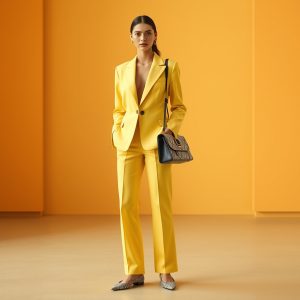
The Evolution of Modest Fashion: Blending Tradition with Contemporary Elegance
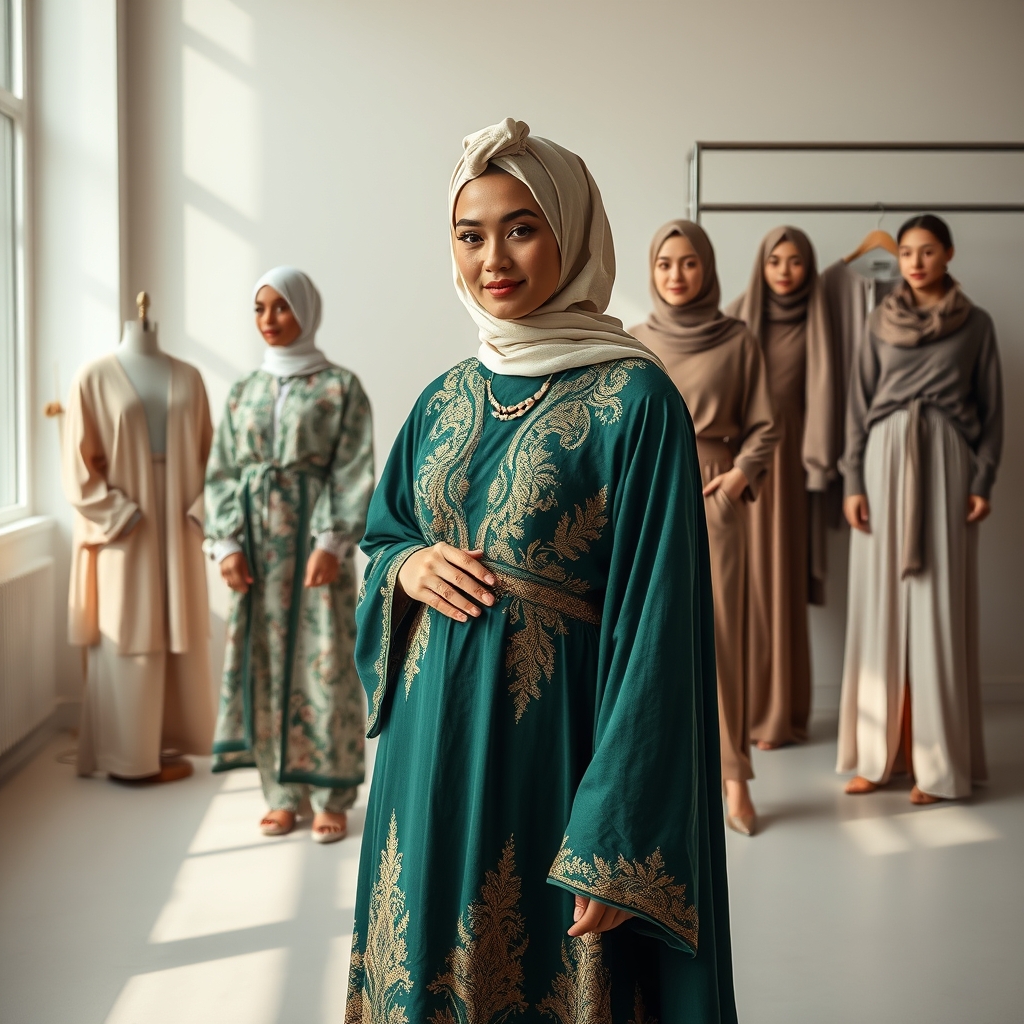
Modest fashion has transcended its traditional roots to become a global phenomenon, celebrated for its elegance, versatility, and cultural significance. What was once perceived as a niche market has now evolved into a dynamic industry, influencing runways, street style, and everyday wardrobes. This transformation reflects a broader shift in how modesty is interpreted—no longer confined to rigid norms but reimagined through creativity, innovation, and personal expression.
The Rise of Contemporary Hijab Styling
The hijab, a cornerstone of modest wear, has undergone a remarkable evolution in styling. Gone are the days when it was limited to basic wraps or muted colors. Today, contemporary hijab styling embraces bold patterns, luxurious fabrics, and intricate draping techniques. Designers are experimenting with textures like chiffon, silk, and jersey, offering wearers a blend of comfort and sophistication. The turban style, for instance, has gained popularity for its modern, effortless appeal, while layered looks add depth and dimension to outfits. This versatility allows women to adapt their hijab to any occasion, from casual outings to formal events, without compromising on style or modesty.
Abaya Design: From Classic to Cutting-Edge
The abaya, once a simple black garment, has been redefined by designers who infuse it with artistic flair and modern aesthetics. Luxury abayas now feature intricate embroidery, beadwork, and even digital prints, transforming them into statement pieces. The modern kimono abaya, for example, merges Middle Eastern and East Asian influences, creating a fusion of cultures that resonates with a global audience. Meanwhile, minimalist abayas in neutral tones cater to those who prefer understated elegance. These innovations have made the abaya a versatile wardrobe staple, suitable for both everyday wear and special occasions.
Halal Fashion: A Movement Beyond Clothing
Halal fashion is more than just a trend—it’s a movement that aligns style with ethical and religious values. This growing sector emphasizes sustainability, fair trade, and cruelty-free practices, appealing to conscious consumers. Brands are increasingly adopting eco-friendly materials, such as organic cotton and recycled fabrics, to create modest wear that is both stylish and sustainable. The demand for halal-certified clothing has also led to greater transparency in the supply chain, ensuring that every piece is produced in accordance with Islamic principles. This shift reflects a broader awareness of how fashion can impact the environment and society, making modest wear a choice that resonates with values as much as aesthetics.
Modest Activewear: Redefining Comfort and Coverage
The rise of modest activewear has revolutionized the way women approach fitness and athleisure. No longer limited to form-fitting leggings or cropped tops, modest activewear offers full coverage without sacrificing performance. Breathable fabrics, moisture-wicking technology, and thoughtful designs ensure that women can stay active while adhering to their modesty preferences. From long-sleeved tops to loose-fitting joggers, these pieces are designed to move with the body, providing both comfort and confidence. The popularity of modest activewear has also sparked conversations about inclusivity in the fitness industry, proving that modesty and athleticism can coexist harmoniously.
Kaftan Chic and the Art of Layered Modest Outfits
The kaftan, with its flowing silhouette and rich history, has become a symbol of effortless elegance in modest fashion. Once reserved for lounging or beachwear, the kaftan has been reimagined as a chic, versatile garment suitable for any setting. Designers are playing with lengths, fabrics, and embellishments to create kaftans that transition seamlessly from day to night. Layered modest outfits, another key trend, allow for creativity in styling. Pairing a longline cardigan with a maxi dress or layering a tunic over wide-leg trousers adds depth and texture to an ensemble. These styling techniques not only enhance modesty but also create visually striking looks that celebrate individuality.
Sustainable Modest Fashion: A Step Toward a Greener Future
As the fashion industry grapples with its environmental impact, sustainable modest fashion has emerged as a beacon of change. Brands are prioritizing ethical production methods, from sourcing eco-friendly materials to reducing waste through zero-waste patterns. The use of natural dyes, upcycled fabrics, and biodegradable packaging further minimizes the carbon footprint of modest wear. Consumers, too, are becoming more mindful of their purchasing habits, opting for timeless pieces that transcend seasonal trends. This shift toward sustainability is not just a trend but a necessary evolution, ensuring that modest fashion remains relevant and responsible in an increasingly eco-conscious world.
The Allure of Luxury Abayas and Modest Bridal Wear
Luxury abayas and modest bridal wear represent the pinnacle of craftsmanship and elegance in modest fashion. These pieces are often handcrafted by skilled artisans, using the finest materials and techniques passed down through generations. Luxury abayas may feature Swarovski crystals, gold-thread embroidery, or hand-painted designs, making them true works of art. Similarly, modest bridal wear has evolved to include intricate lace, delicate beadwork, and flowing silhouettes that exude romance and sophistication. Brides today have more options than ever, from traditional white gowns with long sleeves to pastel hijabs paired with ethereal veils. These designs celebrate the beauty of modesty while allowing brides to express their unique style on their special day.
The journey of modest fashion is a testament to its enduring appeal and adaptability. From the streets of Jakarta to the runways of Paris, it has proven that modesty and style are not mutually exclusive but can coexist in harmony. As designers continue to push boundaries and consumers embrace new trends, modest fashion will undoubtedly remain a powerful force in the global fashion landscape. Its ability to evolve while staying true to its roots is what makes it timeless, offering a canvas for self-expression that transcends cultures and generations.