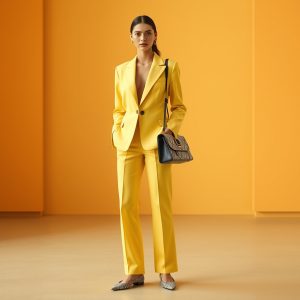
The Alchemy of Threads: How Sustainable Fashion Weaves a New Narrative for Our Times
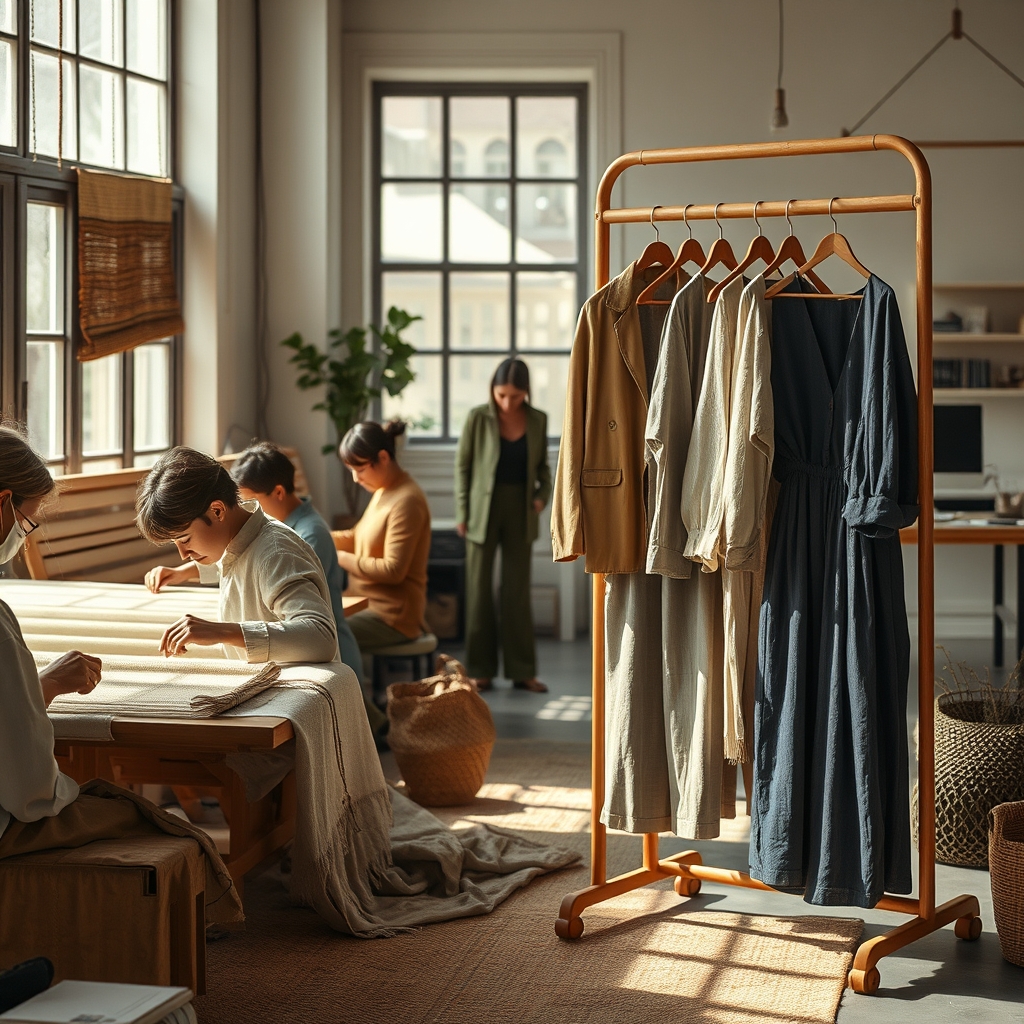
The first time I held a garment stitched from organic cotton, its texture whispered secrets of sun-drenched fields and hands that had tended the soil with reverence. It was not just fabric; it was a conversation between the earth and the wearer, a silent pact of reciprocity. In a world where fast fashion hums like a relentless machine, churning out disposable trends with the same carelessness as a child scattering toys, sustainable fashion emerges as a quiet rebellion—a return to the sacredness of making.
The Slow Unraveling of Fast Fashion
There was a time when clothing was an heirloom, passed down like a story through generations. My grandmother’s embroidered shawl, its threads frayed but still vibrant, carried the weight of her youth, her laughter, her migrations. Today, we live in an era where a dress is worn once, photographed for an Instagram feed, and then discarded like a used napkin. The environmental cost of this disposability is staggering: rivers dyed indigo with toxic runoff, landfills bloated with polyester that will outlive us all, and carbon footprints that stretch like shadows across the globe. Sustainable fashion is not just a trend; it is an urgent plea to remember that every stitch has a consequence.
The Capsule Wardrobe: A Symphony of Less
I once stood before a closet overflowing with clothes, yet felt the gnawing emptiness of having nothing to wear. It was a paradox of abundance, a testament to how excess can hollow us out. The capsule wardrobe, with its curated selection of timeless pieces, became my antidote. It was not about deprivation but about intention—choosing a linen shirt that breathes with the seasons, a wool coat that wraps me in warmth like an old friend, a pair of trousers that move with me, not against me. In paring down, I found a new language of style, one that speaks in whispers rather than shouts. Each piece became a character in the story of my life, not just a fleeting cameo.
Quiet Luxury: The Art of Understated Elegance
Luxury, in its truest form, is not about logos or price tags but about the invisible threads of craftsmanship. It is the difference between a mass-produced blazer and one tailored by a seamstress who knows the curve of your shoulder as intimately as her own reflection. Quiet luxury is the hush of cashmere against skin, the weight of a hand-stitched hem, the knowledge that a garment was made to last. It is a rejection of the loud, the ephemeral, the ostentatious. In a culture that equates value with visibility, quiet luxury is a radical act of faith in the unseen.
The Revival of Artisanal Craftsmanship
There is a magic in watching a weaver’s hands dance across a loom, in seeing a block printer align patterns with the precision of a poet choosing words. Artisanal craftsmanship is not just about preserving traditions; it is about honoring the human touch in an age of automation. When I wear a handwoven ikat scarf or a jacket adorned with hand-embroidered motifs, I carry with me the stories of the artisans—their patience, their skill, their resilience. These garments are not just objects; they are vessels of culture, of history, of soul.
Eco-Friendly Fabrics: The Poetry of the Earth
Fabric is the skin of fashion, and like our own skin, it should breathe, adapt, and nourish. Eco-friendly fabrics—hemp that grows without pesticides, Tencel spun from sustainably managed forests, recycled polyester given a second life—are not just alternatives; they are love letters to the planet. They remind us that fashion can be regenerative, that what we wear can heal rather than harm. There is a quiet joy in slipping into a dress made from pineapple leather, knowing that no creature suffered for its creation, that the earth was not plundered but honored.
The Circular Economy: Closing the Loop
The linear model of fashion—take, make, dispose—is a one-way ticket to ecological collapse. The circular economy, on the other hand, is a dance of renewal. It asks us to reimagine our relationship with clothing: to mend, to swap, to upcycle, to compost. I once turned an old pair of jeans into a tote bag, the seams still bearing the imprint of my adventures. It was not just a practical act but a ritual of gratitude, a way of saying, “I see you, I value you, I will not discard you.” In a circular economy, nothing is wasted; everything is transformed.
Gender Neutral Clothing: Fashion Without Borders
Clothing has long been a tool of division, a way to enforce binaries and police identities. But what if fashion could be a space of liberation? Gender-neutral clothing—fluid, inclusive, unbound—challenges the notion that style must be confined by labels. It is a celebration of self-expression, a recognition that identity is not a box to be checked but a spectrum to be explored. When I wear an oversized blazer or a pair of wide-leg trousers, I am not just dressing for myself; I am dressing for the person I am becoming, for the world I want to inhabit—one where everyone can move freely, unshackled by expectations.
The Future Woven in Smart Textiles
Fashion is not just about the past or the present; it is also about the future. Smart textiles—fabrics embedded with technology—are blurring the lines between clothing and innovation. Imagine a jacket that adjusts its temperature based on the weather, a dress that changes color with your mood, or a scarf that monitors your vitals. These are not fantasies but glimpses of a world where fashion is not just worn but experienced. Yet, even as we embrace these advancements, we must ask: How do we ensure that technology serves humanity, not the other way around? How do we weave ethics into the very fibers of our high-tech apparel?
The first time I held that organic cotton garment, I did not just feel fabric; I felt possibility. Sustainable fashion is not a destination but a journey—a way of seeing, of choosing, of being. It is a reminder that every thread is connected, that every choice ripples outward, that the clothes we wear can be a force for good. In a world that often feels fragmented, fashion can be the thread that stitches us back together, one mindful choice at a time. The alchemy of threads is not just about transforming fabric; it is about transforming ourselves.