The Future of Fashion: Where Sustainability Meets Style
The fashion industry has long been synonymous with rapid trends, disposable clothing, and environmental harm. However, a quiet revolution is underway—one that prioritizes longevity, ethics, and innovation without sacrificing style. This shift is not just a fleeting trend but a fundamental reimagining of how we consume and appreciate fashion. At the heart of this movement lies a blend of sustainable fashion, slow fashion, and cutting-edge design, proving that looking good and doing good are no longer mutually exclusive.
The Rise of Slow Fashion
Slow fashion is the antithesis of fast fashion’s breakneck pace. It champions quality over quantity, encouraging consumers to invest in timeless pieces that transcend seasonal trends. This philosophy aligns perfectly with the capsule wardrobe concept, where a curated selection of versatile, high-quality garments forms the foundation of a functional and stylish closet. By focusing on ethically made clothing, slow fashion also addresses labor exploitation, ensuring fair wages and safe working conditions for garment workers.
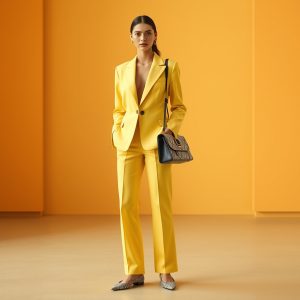
Brands leading this charge are redefining luxury by embracing quiet luxury—a term that describes understated elegance, impeccable craftsmanship, and a focus on materials that stand the test of time. Think of a perfectly tailored blazer in organic cotton or a cashmere sweater sourced from regenerative farms. These pieces may come with a higher price tag, but their durability and timeless appeal make them a smarter investment in the long run.
Eco-Friendly Fabrics and Smart Textiles
The materials we wear are just as important as how they’re made. Eco-friendly fabrics like organic cotton, hemp, Tencel, and recycled polyester are gaining traction, offering sustainable alternatives to conventional textiles. These materials not only reduce environmental impact but often boast superior comfort and performance. For instance, Tencel, derived from sustainably sourced wood pulp, is breathable, moisture-wicking, and biodegradable—making it a favorite for both casual and high-performance wear.
Beyond traditional fabrics, smart textiles are pushing the boundaries of what clothing can do. Imagine garments that regulate body temperature, monitor health metrics, or even generate energy from movement. Companies are experimenting with embedded sensors, conductive threads, and biodegradable electronics to create apparel that is as functional as it is fashionable. While still in its early stages, this intersection of fashion and technology holds immense promise for a more sustainable and interactive future.
The Allure of Vintage and Upcycled Garments
The vintage revival is more than just a nostalgia-driven trend; it’s a celebration of craftsmanship and individuality. Thrifting and buying secondhand not only reduce waste but also allow wearers to discover unique pieces with history and character. Platforms like Depop, The RealReal, and local vintage shops have made it easier than ever to find one-of-a-kind items that tell a story.
For those who love DIY creativity, upcycled garments offer a way to breathe new life into old clothing. Designers and hobbyists alike are transforming discarded fabrics into statement pieces, from patchwork denim jackets to repurposed silk scarves. This approach not only minimizes waste but also fosters a deeper connection to the clothes we wear, encouraging us to see fashion as an art form rather than a disposable commodity.
Gender Neutrality and Inclusivity in Fashion
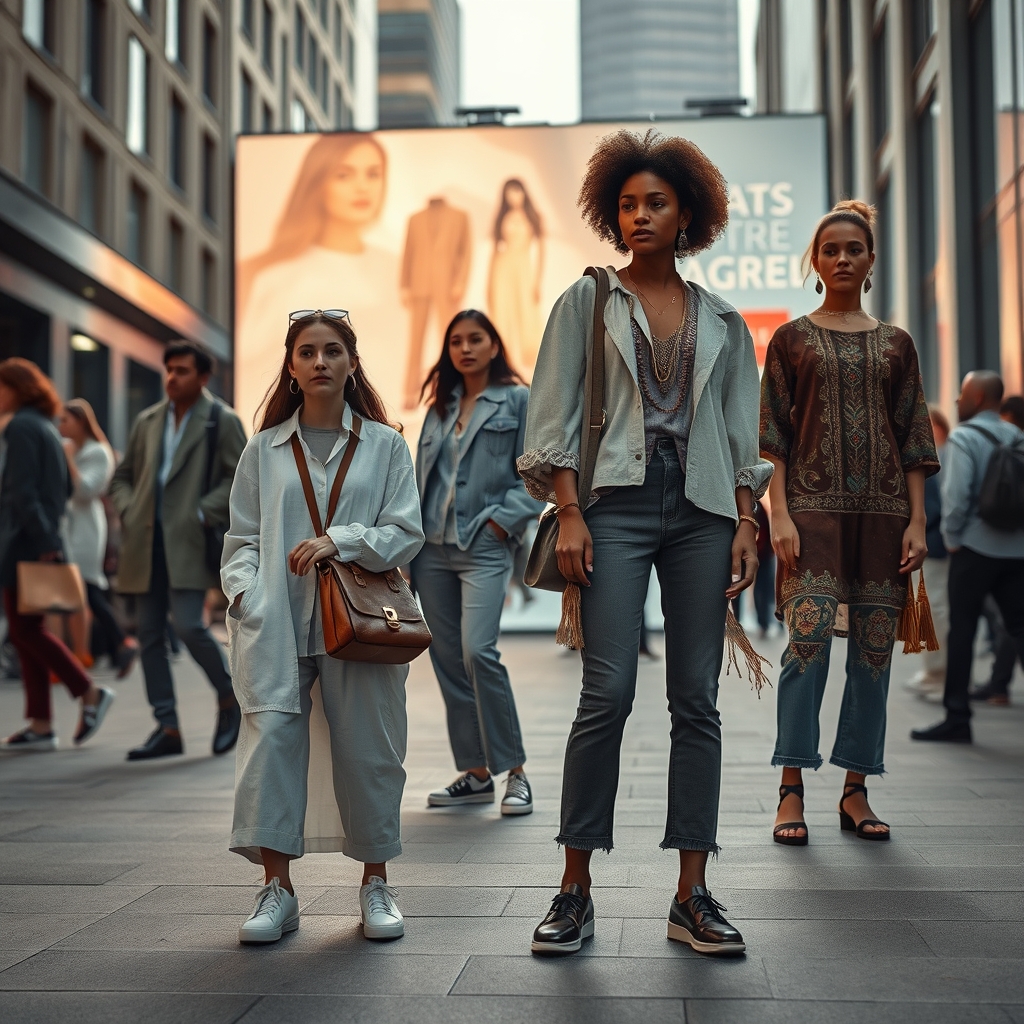
Fashion is increasingly breaking free from traditional gender norms, with gender-neutral clothing becoming a staple in modern wardrobes. Brands are designing pieces that prioritize fit, comfort, and self-expression over outdated binaries, making fashion more accessible and inclusive. This shift is not just about unisex basics; it’s about redefining silhouettes, fabrics, and aesthetics to create a more fluid and diverse industry.
Inclusivity extends beyond gender to size, age, and ability, with more brands offering adaptive clothing and extended size ranges. This evolution reflects a growing recognition that fashion should be for everyone, not just a select few. By embracing diversity, the industry is not only expanding its market but also fostering a culture of acceptance and empowerment.
Artisanal Craftsmanship and the Circular Economy
In a world dominated by mass production, artisanal craftsmanship stands out as a beacon of authenticity and quality. Handwoven textiles, hand-stitched embroidery, and small-batch production techniques celebrate the skill and creativity of artisans, preserving cultural heritage while creating pieces that are truly unique. Supporting these craftspeople not only ensures fair compensation but also helps sustain traditional techniques that might otherwise disappear.
The circular economy takes this a step further by designing out waste and pollution. Brands are adopting take-back programs, rental services, and repair initiatives to extend the lifecycle of garments. For example, companies like Patagonia and Eileen Fisher offer repair services for their products, encouraging customers to mend rather than discard. This closed-loop approach reduces the environmental footprint of fashion and promotes a more mindful relationship with clothing.
The Role of Digital Fashion and Statement Accessories
As technology continues to shape our lives, digital fashion is emerging as a fascinating frontier. Virtual clothing, designed for online avatars and social media, allows users to experiment with bold, avant-garde styles without the environmental cost of physical production. While still niche, digital fashion challenges our perceptions of ownership and identity in an increasingly virtual world.
For those who prefer tangible fashion, statement accessories offer a way to elevate an outfit without overhauling an entire wardrobe. A handcrafted leather bag, a chunky recycled-metal necklace, or a pair of upcycled sneakers can add personality and flair to even the simplest ensemble. These pieces often carry a story—whether it’s the artisan who made them or the materials they’re crafted from—making them more meaningful than mass-produced alternatives.
Fashion is no longer just about what we wear; it’s about the values we uphold and the future we want to create. The choices we make as consumers—whether opting for minimalist style, supporting ethically made brands, or embracing bohemian chic—have the power to drive change. As the industry evolves, the most exciting developments are those that blend innovation with responsibility, proving that style and sustainability can go hand in hand. The future of fashion isn’t just about looking good; it’s about feeling good about the choices we make, one garment at a time.