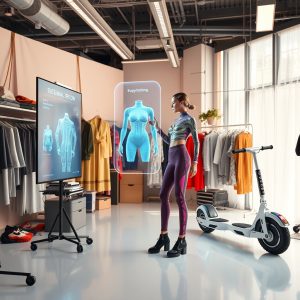
Smart Textiles: The Future of High-Tech Apparel

The fashion industry is undergoing a revolutionary transformation, driven by advancements in technology that are redefining what we wear. Smart textiles, also known as e-textiles or smart fabrics, are at the forefront of this evolution, blending innovation with functionality to create apparel that does more than just cover the body. From regulating body temperature to monitoring health metrics, these high-tech materials are setting new standards for what clothing can achieve.
The Rise of Smart Fabrics
Smart textiles are fabrics embedded with digital components, sensors, or conductive materials that enable them to interact with the wearer or the environment. Unlike traditional fabrics, which serve primarily aesthetic or protective purposes, smart textiles are designed to enhance performance, comfort, and even safety. The integration of technology into textiles has opened up a world of possibilities, from athletic wear that adapts to weather conditions to medical garments that track vital signs in real time.
One of the most exciting developments in this space is the creation of temperature-regulating materials. Brands like Under Armour and Nike have introduced fabrics that use phase-change materials (PCMs) to absorb, store, and release heat as needed. These materials help maintain a consistent body temperature, making them ideal for athletes or individuals working in extreme environments. For example, Under Armour’s Infrared technology uses a ceramic coating to reflect body heat back to the wearer, while Nike’s Dri-FIT fabric wicks away sweat to keep the body cool and dry.
Wearable Tech: Beyond the Fitness Tracker
Wearable technology has moved far beyond the realm of fitness trackers and smartwatches. Today, smart textiles are incorporating sensors and microelectronics directly into the fabric, creating garments that can monitor health, provide haptic feedback, or even generate energy. Companies like Hexoskin and Sensoria are leading the charge with smart shirts that track heart rate, breathing, and movement patterns. These garments are particularly valuable for athletes, patients recovering from injuries, or individuals with chronic health conditions who need continuous monitoring without the bulk of traditional devices.
Another groundbreaking innovation is the development of fabrics that can generate and store energy. Researchers at the Georgia Institute of Technology have created a fabric that harvests energy from both sunlight and motion, potentially turning clothing into a portable power source. This technology could revolutionize the way we charge our devices, especially in remote or off-grid locations. Imagine a jacket that powers your smartphone while you hike or a dress that lights up at night using energy generated from your movement during the day.
Eco-Conscious Innovations
As sustainability becomes a priority in the fashion industry, smart textiles are also evolving to address environmental concerns. Traditional textile production is resource-intensive and often harmful to the planet, but smart fabrics are offering eco-friendly alternatives. For instance, Pangaia, a materials science company, has developed a fabric made from seaweed fibers that is not only biodegradable but also naturally antibacterial. This innovation reduces the need for chemical treatments and extends the lifespan of garments, making them a more sustainable choice.
Another notable example is Vollebak, a brand that creates clothing from recycled and lab-grown materials. Their Plant and Algae T-Shirt is made from pulped eucalyptus and beech trees, combined with algae-based ink. The shirt is designed to decompose within 12 weeks when buried in soil, leaving no trace behind. These eco-conscious smart textiles are proving that fashion can be both high-tech and sustainable, without compromising on style or performance.
Fashion Meets Function
The intersection of fashion and function is where smart textiles truly shine. Designers are increasingly collaborating with technologists to create garments that are as stylish as they are practical. Ralph Lauren has introduced a line of smart shirts that monitor stress levels and breathing patterns, blending luxury fashion with cutting-edge health tracking. Similarly, Google’s Project Jacquard has partnered with brands like Levi’s to create denim jackets with touch-sensitive sleeves, allowing wearers to control their smartphones with a simple swipe or tap.
These collaborations are breaking down the barriers between technology and fashion, making smart textiles more accessible and appealing to a broader audience. As the technology becomes more refined, we can expect to see even more innovative designs that seamlessly integrate into our daily lives, offering convenience, comfort, and style in equal measure.
The Challenges Ahead
Despite the exciting advancements, the widespread adoption of smart textiles faces several challenges. One of the primary hurdles is the cost of production. Embedding electronics and sensors into fabrics requires specialized materials and manufacturing processes, which can drive up the price of the final product. This makes smart textiles less accessible to the average consumer, limiting their market potential.
Durability is another concern. Smart fabrics must withstand the rigors of daily wear and tear, including washing, stretching, and exposure to the elements. Ensuring that the embedded technology remains functional over time is a significant challenge, and many early iterations of smart textiles have struggled with reliability issues. However, as research and development continue, these challenges are gradually being addressed, paving the way for more robust and long-lasting products.
Privacy and data security are also critical considerations. Many smart textiles collect sensitive health or biometric data, raising concerns about how this information is stored, shared, and protected. Brands must prioritize transparency and security to build trust with consumers and ensure that their data is handled responsibly. As the industry matures, establishing clear guidelines and regulations will be essential to safeguarding user privacy.
The future of smart textiles is undeniably bright, with endless possibilities for innovation and improvement. As technology continues to advance, we can expect to see even more sophisticated fabrics that enhance our lives in ways we have yet to imagine. From clothing that adapts to our needs to garments that help us stay connected and healthy, smart textiles are redefining the boundaries of fashion and function. The journey has just begun, and the next chapter promises to be even more exciting as we weave technology into the very fabric of our lives.