
The Unseen Elegance of Recreation Dressing: How Retro Summer and Mode Sportif Are Redefining the Ballet Flat Aesthetic
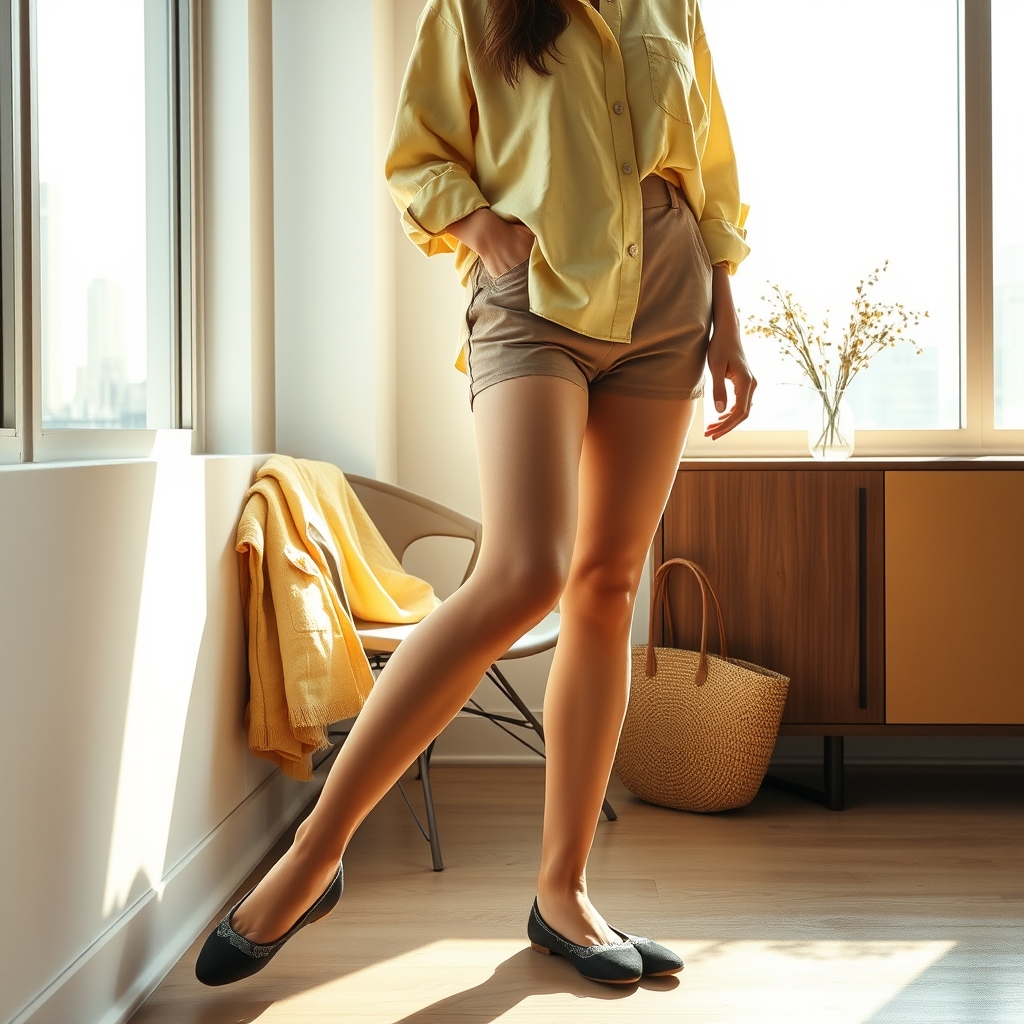
The fashion landscape has long been a battleground between opposing forces—rigor and fluidity, utility and romance, the past and the present. Yet, in the quiet corners of contemporary style, a new synthesis is emerging, one that marries the structured pragmatism of Mode Sportif with the nostalgic allure of Retro Summer. At the heart of this evolution lies an unlikely hero: the ballet flat. Once relegated to the realm of the demure or the juvenile, it has been reborn as a symbol of effortless sophistication, a testament to how Recreation Dressing is reshaping our sartorial expectations.
The Ballet Flat: A Study in Contradictions
The ballet flat’s resurgence is not merely a revival; it is a reinvention. Historically, the shoe was a staple of the Jazz Age, a time when fashion oscillated between the exuberance of flapper dresses and the disciplined lines of tailored suits. Today, it occupies a similar duality—equally at home paired with Brut Denim for a casual errand as it is with a Utility Dress for an evening out. This versatility is no accident. It reflects a broader cultural shift toward Slow Living, where clothing is no longer about transient trends but about enduring adaptability.
The modern ballet flat is not the delicate slipper of yesteryear. It is reinforced with memory foam, molded soles, and even subtle Snake Print or Animal Print embellishments that nod to Glamoratti without sacrificing comfort. Brands like Repetto and Chanel have long championed the shoe’s elegance, but contemporary iterations from labels such as Rothy’s and Everlane have democratized its appeal, infusing it with eco-conscious materials and minimalist design. The result? A shoe that is as much about Guardian Design—thoughtful, protective, enduring—as it is about aesthetics.
The Retro Summer Influence: Nostalgia as a Design Language
If the ballet flat is the vehicle, Retro Summer is the road it travels. The current fascination with vintage aesthetics is not mere nostalgia; it is a deliberate reclamation of craftsmanship and intentionality. The 1970s, with their earthy tones and relaxed silhouettes, have become a touchstone for designers seeking to counter the fast-paced, disposable nature of modern fashion. Butter Yellow and Creamy Yellow hues dominate this palette, evoking the warmth of sun-bleached linen and the optimism of a slower, more deliberate way of life.
This retro revival is not about replication but reinterpretation. A Utility Dress in a 1970s-inspired cut might be rendered in technical fabrics that wick moisture or resist wrinkles, blending the ease of Recreation Dressing with the demands of contemporary life. Similarly, Romantic Fabrics like eyelet lace or broderie anglaise are no longer confined to bridal wear; they appear in day dresses and blouses, softened by the practicality of stretch weaves or machine-washable finishes. The past is not just referenced—it is reimagined for the present.
The Role of Mode Sportif in the New Elegance
The rise of Mode Sportif has been one of the defining trends of the past decade, but its influence is often misunderstood. It is not merely about athleisure or the encroachment of gym wear into everyday life. Rather, it represents a broader philosophical shift toward clothing that moves with the body, that prioritizes function without sacrificing form. The ballet flat embodies this ethos perfectly. It is a shoe designed for motion—whether that means sprinting to catch a train or gliding through a gallery opening.
This functional elegance extends beyond footwear. Brut Denim, once a symbol of rebellion, has been softened by Slow Living principles. Distressed edges are replaced by clean lines, and rigid structures give way to stretch-infused weaves that accommodate the body’s natural movements. Even Animal Prints, long associated with bold, unapologetic glamour, are being recontextualized. A Snake Print blouse might be paired with a Utility Dress in khaki, creating a look that is equal parts fierce and functional. The message is clear: modern elegance is not about rigidity but about fluidity—of movement, of identity, of purpose.
Recreation Dressing: The Art of Effortless Living
At its core, Recreation Dressing is about the seamless integration of life’s many roles. It is the antithesis of the going for gold mentality that once defined fashion—where every outfit was a performance, every accessory a statement. Instead, it embraces the idea that clothing should serve the wearer, not the other way around. A Creamy Yellow linen shirt paired with tailored shorts and ballet flats is not just an outfit; it is a declaration of intent. It says: I am prepared for anything, from a morning meeting to an impromptu picnic, without sacrificing an ounce of style.
This philosophy is particularly resonant in an era where the boundaries between work, leisure, and creativity are increasingly blurred. The Jazz Age may have been about excess, but today’s Retro Summer is about balance. It is about finding joy in the everyday, in the quiet moments between the grand gestures. The ballet flat, with its unassuming elegance, is the perfect metaphor for this shift. It is a shoe that does not demand attention but earns it through its effortless adaptability.
The fashion industry has long been obsessed with the next big thing, but the true revolution lies in the quiet, unassuming details. The way a Butter Yellow dress catches the light, the way a pair of ballet flats can make even the most mundane errand feel like a stroll through a Parisian arrondissement. These are the moments that define Recreation Dressing—not as a trend, but as a way of life. It is a reminder that elegance is not about perfection but about presence, about the way we choose to move through the world. And in that choice, there is a power that transcends the fleeting whims of fashion.