
Upcycled Garments: Turning Trash into Treasure in Fashion
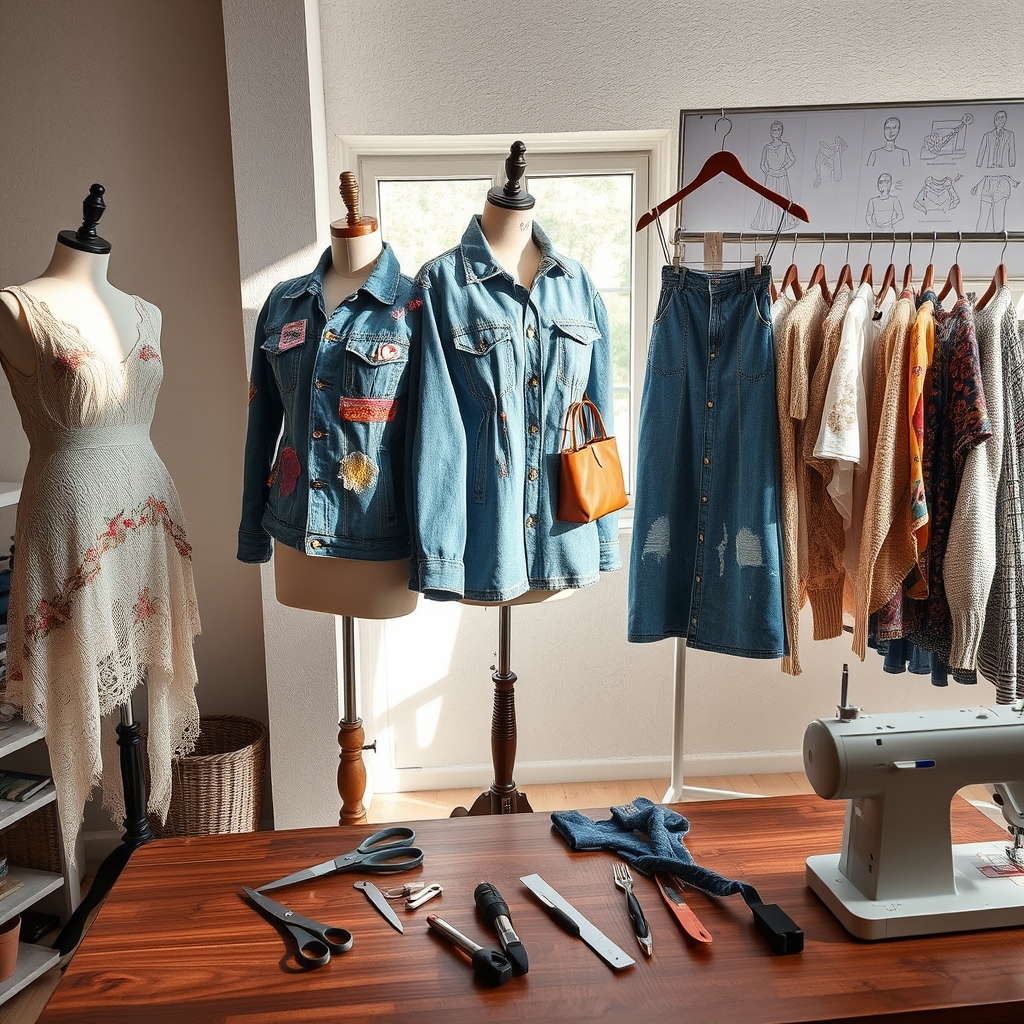
The fashion industry is one of the largest polluters in the world, contributing to massive textile waste, water consumption, and carbon emissions. Yet, a growing movement is transforming this narrative by breathing new life into discarded materials. Upcycled fashion is not just a trend—it’s a revolution that merges creativity with sustainability, proving that style doesn’t have to come at the planet’s expense. From haute couture runways to humble home sewing projects, upcycling is redefining what it means to dress with intention.
The Art of Upcycling: From Waste to Wearable
Upcycling differs from recycling in one key way: it elevates discarded materials into something of higher value without breaking them down into raw components. A stained tablecloth becomes a chic dress, old denim transforms into a patchwork jacket, and forgotten vintage scarves are reborn as statement tops. The process is as much about storytelling as it is about sustainability, with each piece carrying the history of its former life.
High-end designers have embraced upcycling as a way to challenge conventional fashion norms. Stella McCartney, a pioneer in sustainable luxury, has long incorporated upcycled materials into her collections, proving that eco-conscious design can be both elegant and innovative. Similarly, Marine Serre’s crescent-moon prints often adorn garments made from deadstock fabrics, blending futuristic aesthetics with circular fashion principles. These designers demonstrate that upcycling isn’t a compromise—it’s an opportunity to push creative boundaries.
DIY Upcycling: A Beginner’s Guide
You don’t need a fashion degree to join the upcycling movement. With a few basic tools and a bit of imagination, anyone can turn trash into treasure. Start by auditing your wardrobe for items that no longer spark joy—stained shirts, worn-out jeans, or outdated dresses. These are your blank canvases. Simple techniques like dyeing, patchwork, or adding embroidery can completely transform a piece. For example, a plain white T-shirt can become a bohemian masterpiece with some fabric paint and stencils, while an old sweater can be unraveled and reknitted into a cozy scarf.
If you’re new to sewing, don’t be intimidated. Online tutorials and communities like YouTube, Pinterest, and Instagram are treasure troves of inspiration. Start with no-sew projects, such as turning a men’s dress shirt into a trendy off-shoulder top using just scissors and safety pins. As your confidence grows, experiment with more complex alterations, like combining multiple garments into one cohesive piece. The key is to embrace imperfection—upcycling is about creativity, not perfection.
The Environmental Impact: Why Upcycling Matters
The fashion industry’s environmental footprint is staggering. According to the Ellen MacArthur Foundation, the equivalent of one garbage truck of textiles is landfilled or burned every second. Upcycling directly combats this waste by diverting materials from landfills and reducing the demand for virgin resources. Unlike traditional recycling, which often requires energy-intensive processes, upcycling typically uses less water and fewer chemicals, making it a more sustainable option.
Beyond waste reduction, upcycling also challenges the fast fashion cycle. By creating one-of-a-kind pieces, upcycled fashion encourages consumers to value quality over quantity. It fosters a mindset shift—from disposable fashion to cherished, long-lasting garments. This shift is crucial in a world where the average person buys 60% more clothing than they did 15 years ago, yet keeps each item for half as long.
Where to Find Upcycled Fashion
For those who prefer to leave the upcycling to the experts, there are plenty of places to find unique, sustainable pieces. Thrift stores and vintage shops are obvious starting points, offering a mix of pre-loved and upcycled items. Online marketplaces like Etsy and Depop are goldmines for independent designers specializing in upcycled fashion. Brands like Patagonia’s Worn Wear program and Reformation’s recycled collections also offer stylish, eco-friendly options for those who want to shop sustainably without the DIY effort.
If you’re looking for something truly one-of-a-kind, seek out local artisans or upcycling workshops. Many cities host pop-up markets or craft fairs where you can meet the makers behind the garments. Supporting these creators not only helps reduce textile waste but also strengthens local economies and fosters a sense of community.
The Future of Fashion: A Circular Economy
Upcycling is more than a fleeting trend—it’s a cornerstone of the circular economy, where waste is designed out of the system and materials are kept in use for as long as possible. As consumers become more aware of fashion’s environmental impact, the demand for upcycled and sustainable clothing is only set to grow. Brands are beginning to adopt circular business models, offering take-back programs, repair services, and upcycling initiatives to extend the life of their products.
Technology is also playing a role in advancing upcycling. Innovations like 3D printing, digital fabric printing, and AI-driven design tools are making it easier to repurpose materials in ways that were once unimaginable. For example, companies like Evrnu are turning post-consumer cotton waste into new, high-quality fibers, while others are experimenting with biodegradable materials that can be endlessly upcycled.
Every stitch, every cut, and every creative decision in upcycling is a step toward a more sustainable future. It’s a reminder that fashion doesn’t have to be wasteful to be beautiful. By choosing upcycled garments, whether through DIY projects or supporting ethical brands, we’re not just making a style statement—we’re casting a vote for the kind of world we want to live in. The next time you’re tempted to toss an old piece of clothing, ask yourself: what treasure could it become?