
The Slow Fashion Movement: Why Quality Trumps Quantity
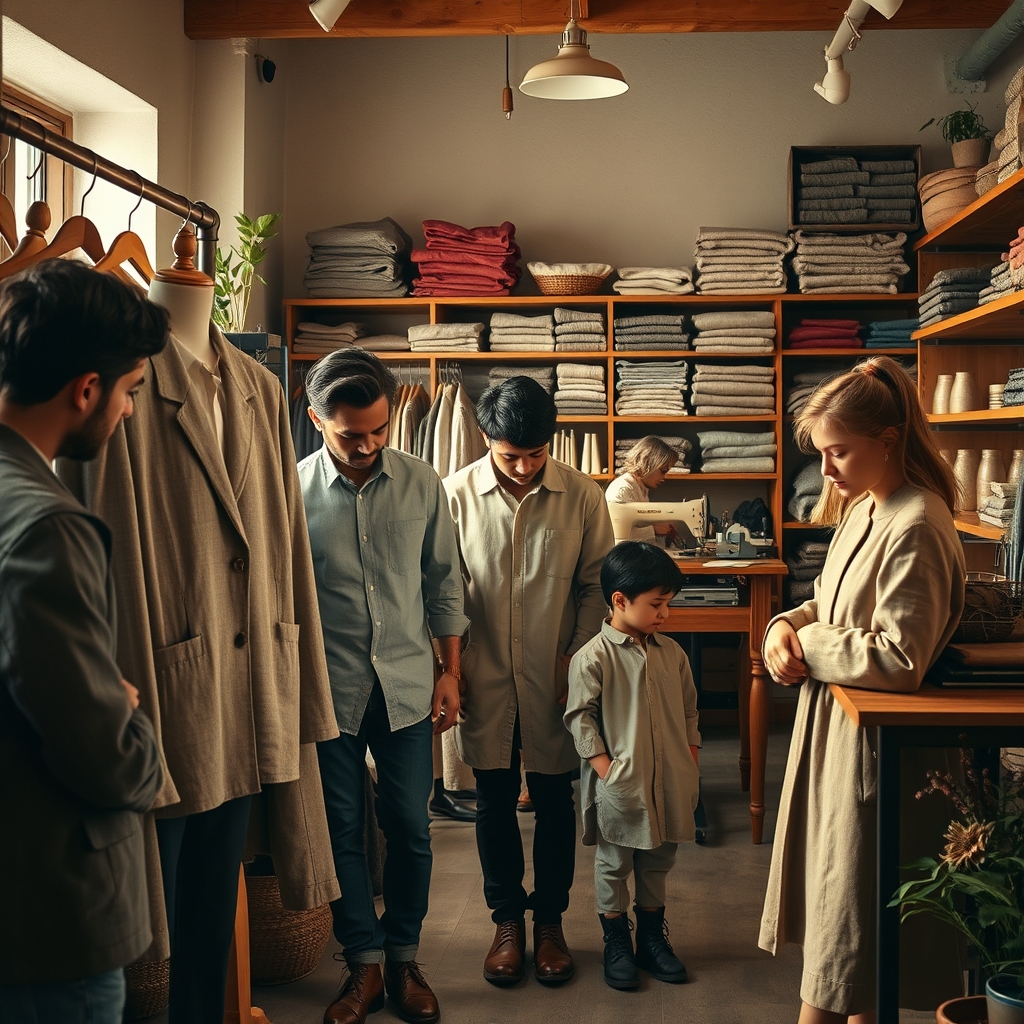
The fashion industry has long been dominated by a relentless cycle of trends, where clothing is produced at breakneck speeds to meet consumer demand for the latest styles. This model, known as fast fashion, prioritizes quantity over quality, often at the expense of ethical labor practices and environmental sustainability. However, a growing movement is challenging this status quo: slow fashion. Rooted in mindfulness, durability, and ethical production, slow fashion advocates for a shift in how we consume clothing—one that values longevity, craftsmanship, and intentionality.
The Core Principles of Slow Fashion
Slow fashion is not merely a trend but a philosophy that redefines our relationship with clothing. At its heart, it emphasizes three key principles:
1. Quality Over Quantity
In a world where disposable fashion has become the norm, slow fashion encourages consumers to invest in well-made, durable pieces that stand the test of time. This means choosing fabrics that are resilient, stitching that is reinforced, and designs that transcend fleeting trends. A high-quality garment may come with a higher price tag, but its longevity ensures that it remains a staple in your wardrobe for years, reducing the need for frequent replacements.
2. Ethical Production
Fast fashion has long been criticized for its exploitative labor practices, with workers in developing countries often subjected to poor wages and unsafe working conditions. Slow fashion, on the other hand, prioritizes transparency and fairness in the supply chain. Brands that align with this movement ensure that their workers are paid fairly, work in safe environments, and are treated with dignity. By supporting these brands, consumers can contribute to a more equitable fashion industry.
3. Environmental Responsibility
The environmental impact of fast fashion is staggering. From water pollution to textile waste, the industry is one of the largest contributors to global environmental degradation. Slow fashion seeks to mitigate this by promoting sustainable materials, such as organic cotton, linen, and recycled fabrics. Additionally, it encourages practices like upcycling, where old garments are repurposed into new designs, and circular fashion, where clothing is designed to be recycled or biodegradable at the end of its life cycle.
Fast Fashion vs. Slow Fashion: A Stark Contrast
The differences between fast fashion and slow fashion are profound, extending beyond just the clothes themselves to the values they represent.
Speed and Volume
Fast fashion thrives on speed, with brands like Zara and H&M releasing new collections as frequently as every two weeks. This rapid turnover encourages overconsumption, as consumers are constantly bombarded with new styles at low prices. Slow fashion, in contrast, operates on a much slower timeline. Brands may release only a few collections per year, focusing on timeless designs that remain relevant season after season.
Cost and Value
While fast fashion garments are often cheap, their low cost comes at a hidden price. Poor-quality materials and construction mean these items quickly fall apart, leading to a cycle of constant repurchasing. Slow fashion, while more expensive upfront, offers better value in the long run. A well-made coat or pair of shoes can last a decade or more, making it a more economical choice over time.
Impact on People and the Planet
The human and environmental costs of fast fashion are well-documented. From the exploitation of garment workers to the pollution of waterways with toxic dyes, the industry’s practices are unsustainable. Slow fashion, however, seeks to minimize these impacts by prioritizing ethical labor practices and sustainable materials. By choosing slow fashion, consumers can reduce their carbon footprint and support a more just global economy.
How to Embrace Slow Fashion in Your Wardrobe
Adopting a slow fashion mindset doesn’t require a complete overhaul of your wardrobe overnight. Instead, it’s about making more conscious choices over time. Here are some practical steps to get started:
1. Audit Your Current Wardrobe
Before buying anything new, take stock of what you already own. You might be surprised by how many pieces you’ve forgotten about or can repurpose. Consider donating or selling items that no longer serve you, and identify gaps in your wardrobe that could be filled with versatile, high-quality pieces.
2. Invest in Timeless Pieces
When shopping, focus on timeless designs that won’t go out of style. A well-tailored blazer, a classic white shirt, or a pair of high-quality jeans are examples of pieces that can be worn year after year. Look for neutral colors and simple silhouettes that can be easily mixed and matched with other items in your wardrobe.
3. Support Ethical Brands
Research brands that align with slow fashion principles. Look for certifications like Fair Trade, B Corp, or GOTS (Global Organic Textile Standard) to ensure that the brand meets ethical and environmental standards. While these brands may be more expensive, remember that you’re investing in quality and sustainability.
4. Care for Your Clothes
Extending the life of your garments is a key aspect of slow fashion. Follow care instructions on labels, wash clothes in cold water to prevent shrinkage and fading, and avoid over-drying. Learn basic mending skills to repair minor damages, and consider taking items to a tailor for more significant alterations. By taking care of your clothes, you can keep them looking their best for longer.
5. Shop Secondhand
Thrifting and buying secondhand are excellent ways to embrace slow fashion. Not only does this reduce textile waste, but it also allows you to find unique, high-quality pieces at a fraction of their original price. Online platforms like ThredUp, Poshmark, and Depop make it easy to shop secondhand from the comfort of your home.
As the slow fashion movement continues to gain momentum, it offers a hopeful alternative to the wasteful and exploitative practices of fast fashion. By choosing quality over quantity, supporting ethical brands, and adopting mindful consumption habits, we can each play a part in creating a more sustainable and equitable fashion industry. The clothes we wear are more than just fabric—they are a reflection of our values, and by embracing slow fashion, we can wear those values with pride. Every small step toward mindful consumption is a step toward a better future, not just for our wardrobes, but for the planet and the people who make our clothes.