
Streetwear Aesthetic: How Urban Fashion is Shaping Modern Style
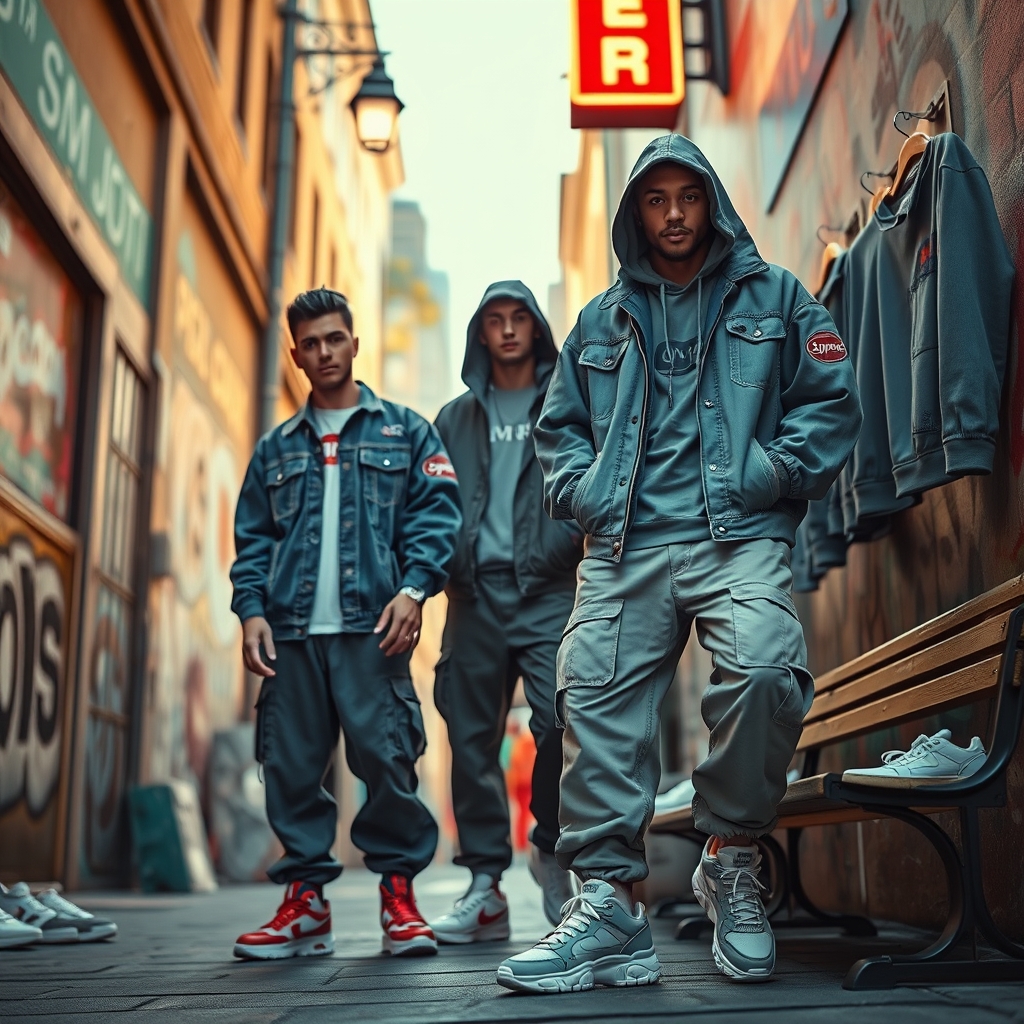
Streetwear is more than just a fashion trend—it’s a cultural movement that has redefined modern style. Born from the raw energy of hip-hop, skateboarding, and underground scenes, streetwear has transcended its humble origins to become a dominant force in the global fashion industry. Today, it bridges the gap between casual comfort and high-end luxury, influencing everything from runway collections to everyday wardrobes. But how did this urban aesthetic evolve, and what makes it so enduring?
The Roots of Streetwear: A Rebellion in Fabric
Streetwear’s origins can be traced back to the 1980s and 1990s, when subcultures like hip-hop in New York and skateboarding in California began crafting their own distinct styles. Brands like Stüssy, founded by Shawn Stüssy in the early ’80s, emerged from the surf and skate scene, blending graphic tees, baggy jeans, and bold logos into a look that was both effortless and rebellious. Meanwhile, in New York, hip-hop artists like Run-DMC and LL Cool J popularized tracksuits, sneakers, and oversized silhouettes, turning streetwear into a symbol of urban identity.
This era wasn’t just about clothing—it was about attitude. Streetwear was a form of self-expression for those who felt marginalized by mainstream fashion. It was accessible, affordable, and unapologetically bold, making it the perfect medium for youth culture to assert its voice. The DIY ethos of early streetwear, from hand-painted jackets to custom sneakers, laid the foundation for a movement that valued individuality over conformity.
From Underground to High Fashion: The Streetwear Revolution
The 2000s marked a turning point for streetwear as it began infiltrating high fashion. Designers like Virgil Abloh, founder of Off-White and former artistic director of Louis Vuitton’s menswear, played a pivotal role in blurring the lines between streetwear and luxury. His collaborations with brands like Nike and IKEA, along with his work at Louis Vuitton, demonstrated how streetwear’s aesthetic—minimalist designs, bold typography, and utilitarian details—could resonate with a global audience.
Other brands followed suit. Supreme, once a small skate shop in downtown Manhattan, became a cultural phenomenon, with its limited-edition drops sparking frenzies among fans and resellers alike. Luxury houses like Gucci, Balenciaga, and Prada embraced streetwear’s influence, incorporating hoodies, sneakers, and logo-heavy designs into their collections. The result? A fashion landscape where a $2,000 Balenciaga hoodie could sit comfortably alongside a $50 graphic tee from a local streetwear brand.
Key Trends Defining Modern Streetwear
Streetwear’s evolution has given rise to several defining trends that continue to shape modern style:
- Logomania: Bold logos and brand names are a staple of streetwear, serving as a status symbol and a nod to the movement’s roots in hip-hop and skate culture. Brands like Supreme and Palace have turned logos into collectible art.
- Oversized Silhouettes: From baggy jeans to oversized hoodies, streetwear often plays with proportions to create a relaxed, effortless look. This trend has been embraced by high fashion, with designers like Demna Gvasalia at Balenciaga leading the charge.
- Sneaker Culture: Sneakers are the cornerstone of streetwear, with brands like Nike, Adidas, and New Balance collaborating with designers and artists to create limited-edition drops. The resale market for rare sneakers has even spawned its own economy.
- Techwear: A fusion of streetwear and functional design, techwear incorporates waterproof fabrics, modular pockets, and futuristic aesthetics. Brands like Acronym and Stone Island Shadow Project have made techwear a favorite among urban explorers.
- Gender-Neutral Fashion: Streetwear has long been a champion of gender-fluid style, with unisex designs and oversized fits breaking down traditional fashion barriers. This inclusivity has made streetwear a favorite among younger generations.
The Future of Streetwear: Sustainability and Innovation
As streetwear continues to evolve, sustainability has become a pressing concern. The fast-paced nature of the industry, with its constant drops and limited-edition releases, has led to overproduction and waste. However, many brands are now rethinking their approach, embracing eco-friendly materials, upcycling, and circular fashion models.
Brands like Patagonia and Noah have long championed sustainability, using organic cotton and recycled materials in their designs. Even luxury streetwear labels like Stella McCartney and Marine Serre are incorporating sustainable practices into their collections. The rise of resale platforms like Grailed and Depop has also given streetwear a second life, allowing fans to buy, sell, and trade pre-loved pieces.
Innovation is another key driver of streetwear’s future. From 3D-printed sneakers to AI-designed graphics, technology is pushing the boundaries of what streetwear can be. Brands like Nike and Adidas are experimenting with sustainable manufacturing techniques, while independent designers are using digital platforms to reach global audiences. The result is a dynamic, ever-evolving movement that continues to challenge the status quo.
Streetwear’s journey from underground subculture to global phenomenon is a testament to its power as a form of self-expression. It has redefined what fashion can be—accessible yet aspirational, rebellious yet refined. As it continues to evolve, streetwear remains a reflection of the times, capturing the energy, creativity, and diversity of the communities that shape it. Whether through sustainable innovations or bold new designs, one thing is clear: streetwear is here to stay, and its influence on modern style is only growing stronger.