
The New Chromatic Rebellion: How Animal Prints and Butter Yellow Are Redefining the Syntax of Glamoratti in the Age of Utility Dressing
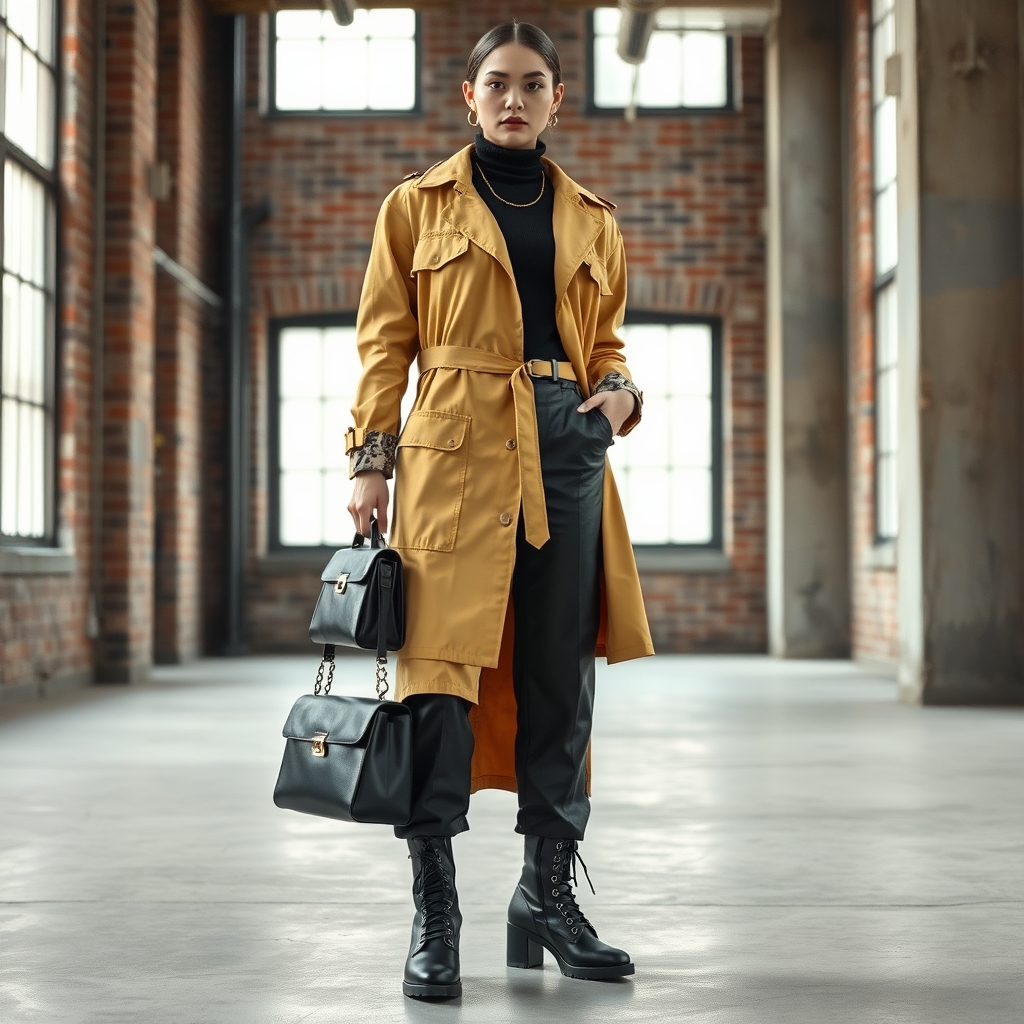
The fashion landscape is undergoing a seismic shift, one where the boundaries between utility and glamour are not just blurred but deliberately dismantled. At the heart of this transformation lies an unexpected alliance: the audacity of animal prints and the quiet defiance of butter yellow. Together, they are rewriting the rules of Glamoratti, a term once synonymous with unapologetic opulence, now reimagined through the lens of Utility Dressing. This is not a mere trend but a chromatic rebellion, where the raw energy of the wild meets the understated elegance of a hue that refuses to scream.
The Syntax of Subversion
Animal prints have long been the shorthand for boldness, a visual language that speaks of untamed confidence. Yet, in the current sartorial climate, they are no longer confined to the realm of the extravagant. Instead, they are being recontextualized within the framework of Utility Dressing, a movement that prioritizes function without sacrificing form. The result? A paradox where the ferocity of a snake print coexists with the precision of a cargo pocket, or the leopard’s spots are softened by the structured lines of a jumpsuit. This is not dilution but evolution—a recalibration of what it means to be both fierce and functional.
Butter yellow, on the other hand, is the unsung hero of this rebellion. It is a color that refuses to be ignored, yet it does so with a whisper rather than a shout. In an era where fashion is increasingly about intentionality, butter yellow serves as a chromatic punctuation mark, a hue that demands attention without the crutch of saturation. When paired with animal prints, it creates a visual tension that is both disarming and deliberate. The warmth of the yellow tempers the primal energy of the print, while the print itself elevates the yellow from mere pastel to a statement of intent. This is the new syntax of Glamoratti: a language where contrast is not just aesthetic but ideological.
The Architecture of Intentionality
The fusion of animal prints and butter yellow within the context of Utility Dressing is not accidental. It is a calculated response to the excesses of the past, a rejection of the idea that glamour must be synonymous with waste. The structured silhouettes of utility—think oversized pockets, adjustable straps, and modular layers—serve as the perfect counterpoint to the organic chaos of animal prints. They ground the wildness, giving it purpose and direction. Meanwhile, butter yellow acts as the connective tissue, a unifying force that ties together disparate elements into a cohesive whole.
This is not fashion for the sake of fashion. It is fashion with a mission, a sartorial manifesto that speaks to the values of the modern wearer. The Guardian Design ethos, which champions durability and adaptability, finds its perfect expression in this union. A butter yellow trench coat with subtle snake print lining, for instance, is not just a garment but a statement—a declaration that elegance and practicality are not mutually exclusive. Similarly, a leopard-print utility dress, cinched at the waist with a belt that doubles as a tool holder, is a masterclass in duality. It is both armor and art, a celebration of the wearer’s ability to navigate the world with equal parts grace and grit.
The Poetics of Contrast
What makes this chromatic rebellion so compelling is its ability to evoke emotion without resorting to cliché. Animal prints, when stripped of their traditional associations with excess, become a metaphor for resilience. They are a reminder that beauty often lies in the untamed, the unpredictable. Butter yellow, with its sunny disposition, softens this edge, infusing the narrative with optimism. Together, they create a poetic contrast, a dialogue between strength and softness, chaos and order.
This is particularly evident in the way designers are incorporating these elements into Recreation Dressing, a subset of Utility Dressing that blurs the lines between leisure and labor. A butter yellow anorak with a hidden leopard-print hood, for example, is a garment that refuses to be pigeonholed. It is as at home on a city street as it is on a hiking trail, a testament to the wearer’s refusal to be defined by circumstance. Similarly, a snake-print utility skirt paired with a crisp white shirt and sturdy boots is a study in contrasts—feminine yet fierce, playful yet pragmatic.
The Future of Glamoratti
The implications of this shift extend far beyond the individual garment. It signals a broader redefinition of what Glamoratti can and should be. No longer is it confined to the rarefied air of haute couture or the fleeting whims of fast fashion. Instead, it is being democratized, reimagined as something accessible, adaptable, and, above all, authentic. Animal prints and butter yellow are not just trends; they are tools of expression, a way for the modern individual to assert their identity in a world that often demands conformity.
This is the new Glamoratti: a movement that embraces the duality of human nature—the desire to stand out and the need to belong, the longing for beauty and the necessity of function. It is a rebellion, yes, but one that is quiet and considered, a chromatic revolution that unfolds not with a bang but with a whisper. The message is clear: glamour is not dead; it has simply evolved, shedding its old skin to reveal something far more compelling—a future where fashion is as much about meaning as it is about aesthetics.
The interplay between animal prints and butter yellow within the framework of Utility Dressing is more than a fleeting moment in fashion history. It is a testament to the power of contrast, a celebration of the idea that true elegance lies in the balance between opposing forces. As the lines between work and play, formality and informality, continue to blur, this chromatic rebellion will only grow louder, not in volume but in influence. It is a reminder that fashion, at its best, is not just about what we wear but how we choose to navigate the world—and the stories we tell along the way.