The Quiet Revolution: How Neo Minimalism and Emotional Durability Are Redefining Fashion
The world of fashion is undergoing a transformation so subtle yet so profound that it feels like a whisper rather than a shout. This is not the loud, fleeting trends of seasons past, but a movement rooted in intention, sustainability, and a deep connection to the self and the environment. At the heart of this shift lies Neo Minimalism, a philosophy that strips away the excess to reveal the essence of what clothing—and by extension, life—should truly be.
The Essence of Neo Minimalism
Neo Minimalism is not merely about owning fewer items or adopting a monochromatic wardrobe. It is a deliberate choice to curate a life where every piece serves a purpose, both functionally and emotionally. This approach to fashion rejects the disposable nature of fast fashion, instead embracing Emotional Durability—the idea that clothing should not only last physically but also resonate with the wearer on a deeper level. A well-loved sweater, passed down through generations, carries stories and memories that no mass-produced garment could ever hope to replicate.
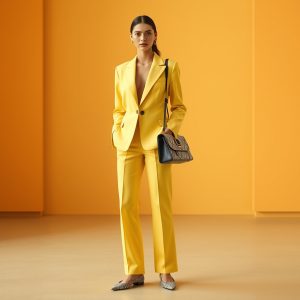
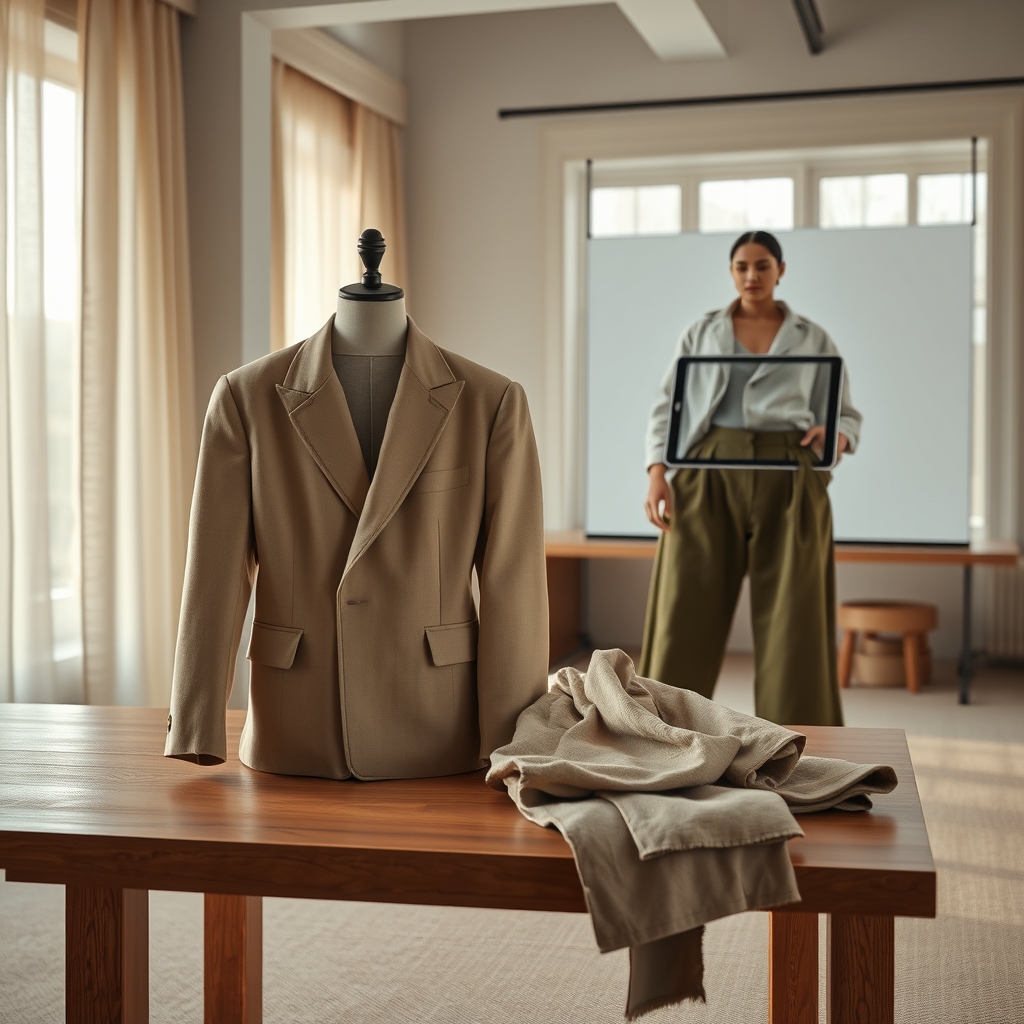
In this paradigm, clothing becomes an extension of the self, a second skin that reflects personal values and aesthetics. The Quiet Luxury movement aligns perfectly with this ethos, where the focus is on understated elegance rather than ostentatious displays of wealth. Think of a perfectly tailored blazer in a neutral tone, its fabric so exquisite that it speaks volumes without a single embellishment. This is fashion as a form of self-respect, where quality and craftsmanship take precedence over fleeting trends.
The Role of Heritage Craft and Architectural Tailoring
As Neo Minimalism gains traction, there is a renewed appreciation for Heritage Craft—the time-honored techniques that have been perfected over centuries. From hand-stitched leather goods to intricately woven textiles, these crafts embody a level of artistry that machines simply cannot replicate. Brands that prioritize these methods are not only preserving cultural identity but also ensuring that each piece is imbued with a sense of history and authenticity.
Complementing this is Architectural Tailoring, where clothing is designed with the precision of an architect drafting a blueprint. Every seam, dart, and fold is intentional, creating garments that drape the body with effortless grace. This approach blurs the line between fashion and art, where the human form becomes a canvas for structural innovation. The result is clothing that feels as good as it looks, a harmonious blend of form and function that transcends the superficial.
Sustainable Longevity and the Rise of Bio Fabrics
The fashion industry has long been criticized for its environmental impact, but the tide is turning. Sustainable Longevity is no longer a niche concern but a driving force behind innovation. Designers are increasingly turning to Bio Fabrics, materials derived from natural sources like algae, mushrooms, and even pineapple leaves. These fabrics are not only biodegradable but also require fewer resources to produce, making them a viable alternative to traditional textiles.
One of the most exciting developments in this space is the use of lab-grown materials that mimic the properties of leather and silk without the ethical and environmental drawbacks. These innovations are not just about reducing harm but about reimagining what fashion can be—a force for good in the world. When clothing is designed with Sensory Utility in mind, it engages the wearer on multiple levels, from the softness of the fabric against the skin to the way it moves with the body. This holistic approach ensures that garments are not just worn but experienced.
Tech Integration and the Virtual Runway
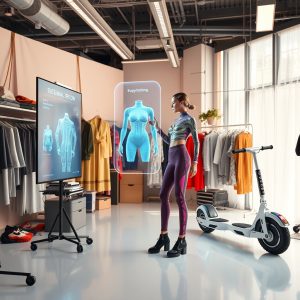
The digital age has ushered in a new era of fashion, where the boundaries between the physical and virtual worlds are increasingly blurred. Tech Integration is no longer a futuristic concept but a present-day reality. From augmented reality fitting rooms to blockchain-based supply chains, technology is revolutionizing how we interact with fashion. The Virtual Runway has become a playground for creativity, where designers can experiment with digital garments that defy the laws of physics, offering a glimpse into the limitless possibilities of the future.
Yet, even in this digital landscape, the human element remains paramount. The rise of Digital Realism—a movement that seeks to ground virtual experiences in real-world emotions and aesthetics—ensures that technology enhances rather than detracts from the fashion experience. Imagine trying on a dress in a virtual store, only to have it adjust in real-time to your body’s movements, creating a seamless blend of the digital and the tangible. This is the future of fashion: a world where technology serves as a bridge between imagination and reality.
The Wellness Aesthetic and Intentional Dressing
Fashion is no longer just about how we look but how we feel. The Wellness Aesthetic is a growing trend that prioritizes clothing designed to nurture both body and mind. From breathable, moisture-wicking fabrics to garments infused with aromatherapy scents, this movement recognizes that what we wear can have a profound impact on our well-being. Intentional Dressing takes this a step further, encouraging individuals to choose clothing that aligns with their emotional state and intentions for the day. A soft, oversized sweater might be the perfect choice for a day of self-care, while a structured blazer could instill confidence before an important meeting.
This mindful approach to fashion extends beyond the individual to the collective. As more people embrace Cultural Identity in their clothing choices, there is a growing appreciation for the stories and traditions behind each garment. Whether it’s a handwoven textile from a remote village or a modern interpretation of a historical silhouette, fashion becomes a way to honor the past while forging a path forward. The result is a wardrobe that is not just stylish but meaningful, a reflection of the wearer’s values and aspirations.
In a world that often feels chaotic and overwhelming, the principles of Neo Minimalism and Emotional Durability offer a sense of calm and clarity. They remind us that fashion is not just about what we wear but how we choose to live. By embracing intentionality, sustainability, and a deep connection to craftsmanship, we can create a wardrobe—and a life—that is as beautiful as it is meaningful. The revolution may be quiet, but its impact will be felt for generations to come.