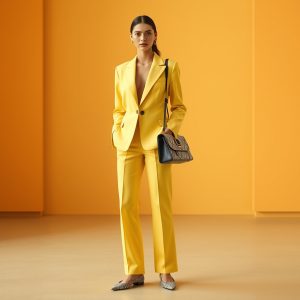
The Velvet Rebellion: How Romantic Fabrics and Moccasins Are Redefining the New Guardians of Glamoratti
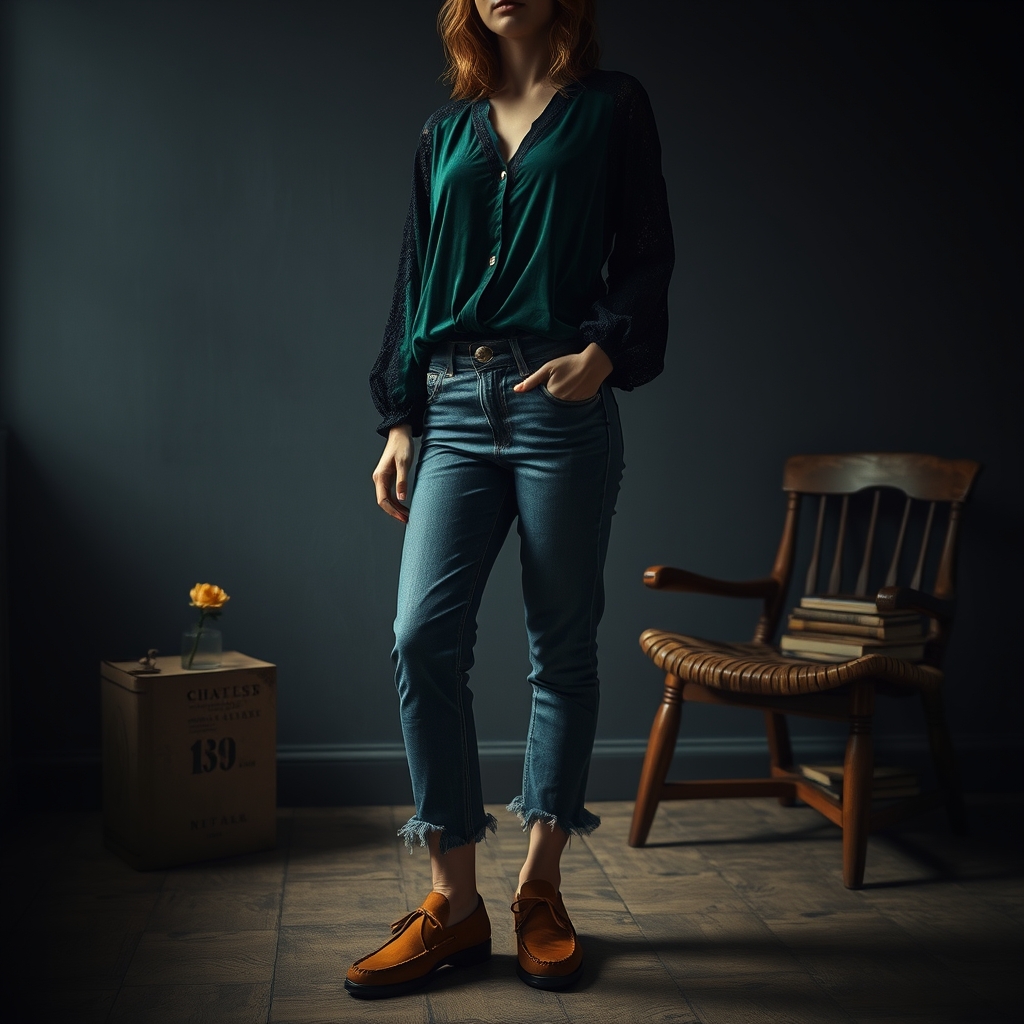
The fashion landscape has long been a battleground between opposing forces—rigor and romance, utility and indulgence, the calculated and the chaotic. Yet, in the quiet corners of contemporary design, a velvet rebellion is unfolding. It is not loud, nor does it seek the spotlight with the brashness of animal prints or the ostentatious shimmer of gold. Instead, it operates in the hushed tones of romantic fabrics and the understated elegance of moccasins, weaving a narrative that challenges the very foundations of Glamoratti while redefining its future.
The Subversion of Softness
Romantic fabrics—velvet, lace, silk, and chiffon—have historically been relegated to the realm of fantasy, reserved for occasions that demand frivolity or nostalgia. They are the antithesis of the modern wardrobe’s obsession with utility dressing and mode sportif, where functionality often trumps all else. Yet, their resurgence in contemporary fashion is not a mere revival; it is a deliberate act of subversion. Designers are no longer treating these materials as relics of a bygone era but as tools to dismantle the rigid structures of modern glamour.
Consider the way velvet, once the fabric of royalty and opulence, is now being paired with brut denim or layered under utility dresses. The contrast is jarring, yet intentional. It forces the wearer—and the observer—to confront the tension between indulgence and restraint, between the ornate and the austere. This is not romanticism for the sake of escapism; it is romanticism as a form of resistance, a quiet rebellion against the tyranny of minimalism that has dominated fashion for decades.
The Moccasin as a Symbol of Quiet Defiance
If romantic fabrics are the voice of this rebellion, then moccasins are its silent footsteps. Once relegated to the realm of the casual or the bohemian, moccasins have been recontextualized within the framework of Glamoratti. They are no longer merely comfortable shoes for leisurely strolls; they are a statement of intent. Their soft, unstructured silhouette challenges the rigidity of traditional dress shoes, while their understated elegance subverts the expectation that glamour must be loud, shiny, or overtly sexualized.
The moccasin’s rise in high fashion is not accidental. It coincides with a broader cultural shift toward slow living, where the value of comfort, craftsmanship, and intentionality is being reevaluated. In a world that moves at breakneck speed, the moccasin represents a refusal to conform to the demands of haste. It is a shoe that demands to be noticed, not for its flashiness, but for its quiet confidence—a confidence that comes from knowing its worth without needing to shout it.
The New Guardians of Glamour
The fusion of romantic fabrics and moccasins is not merely an aesthetic choice; it is a philosophical one. It signals a shift in who—or what—gets to define glamour in the modern era. The old guard of Glamoratti, with its reliance on overt sex appeal, conspicuous consumption, and rigid beauty standards, is being usurped by a new vanguard. This new guard is unafraid to blur the lines between the sacred and the profane, the luxurious and the utilitarian, the past and the present.
Designers like Bottega Veneta, The Row, and even more accessible brands like & Other Stories have embraced this ethos, creating collections that feel both timeless and radically modern. They understand that glamour is no longer about adhering to a set of rules but about rewriting them. A butter yellow silk blouse paired with brut denim and moccasins is not just an outfit; it is a manifesto. It declares that glamour can be soft, that elegance can be effortless, and that rebellion does not always require a battle cry.
The Role of Color and Texture in the Velvet Rebellion
Color and texture play a pivotal role in this new narrative. The resurgence of creamy yellow and butter yellow hues, for instance, is not merely a nod to retro aesthetics but a deliberate choice to evoke warmth, optimism, and a sense of nostalgia. These colors soften the edges of even the most utilitarian pieces, infusing them with a sense of romance that feels both familiar and fresh. Similarly, the juxtaposition of delicate lace with the roughness of brut denim creates a dialogue between opposing textures, forcing the viewer to reconsider what constitutes elegance.
This interplay of color and texture is not just about visual appeal; it is about emotional resonance. It speaks to a desire for clothing that does more than just cover the body—it clothes the soul. In an era where fashion is often reduced to disposable trends, the velvet rebellion insists on depth, on meaning, on a connection to something greater than the self.
The Future of Glamoratti: A Quieter, Softer Revolution
The velvet rebellion is not a fleeting trend; it is a fundamental shift in how we perceive and engage with glamour. It is a rejection of the idea that glamour must be loud, exclusive, or unattainable. Instead, it offers a vision of glamour that is inclusive, introspective, and deeply personal. It is glamour for the thinker, the dreamer, the one who finds beauty in the quiet moments rather than the grand gestures.
As this movement gains momentum, it will continue to challenge the status quo, redefining what it means to be glamorous in the 21st century. It will not replace the old guard overnight, nor should it. The tension between the old and the new is what makes fashion endlessly fascinating. But make no mistake: the velvet rebellion is here, and it is rewriting the rules of glamour one soft, romantic stitch at a time. The moccasins are stepping lightly, but their impact will be felt for years to come.