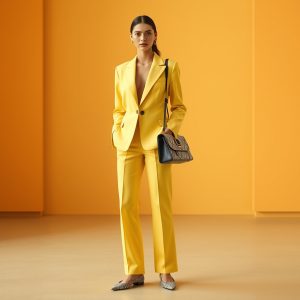
Utility Meets Romance: The Unlikely Marriage of Function and Fantasy in Modern Dressing
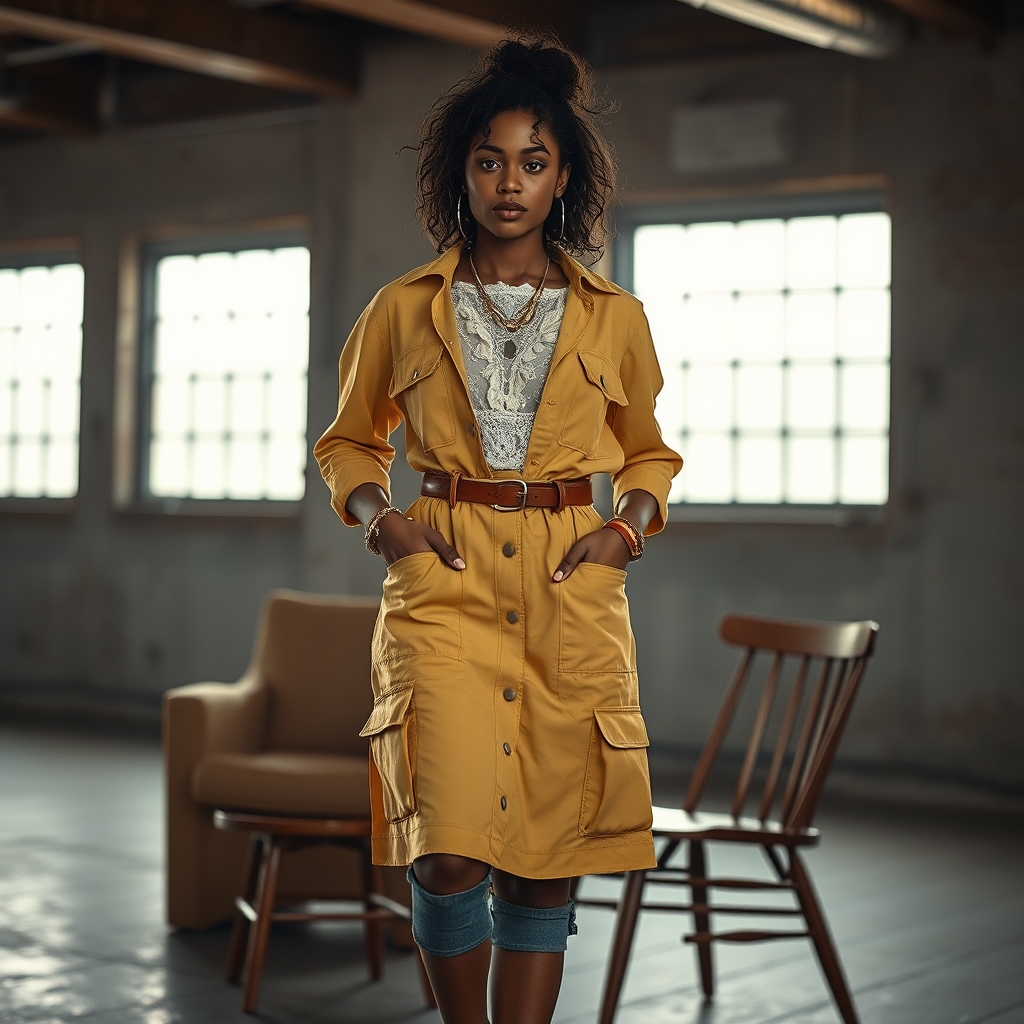
The fashion landscape of the past decade has been a battleground of contradictions, where the rigid pragmatism of utility dressing collides with the unapologetic fantasy of romantic fabrics. This tension, far from diluting the potency of either aesthetic, has instead birthed a new sartorial language—one that speaks in the dialect of Recreation Dressing. It’s a term that feels almost oxymoronic, yet it perfectly encapsulates the zeitgeist: a generation that demands both the durability of Brut Denim and the ethereal allure of Guardian Design lace. The result is not a compromise but a synthesis, a redefinition of what it means to dress for the modern world.
The Rise of the Hybrid Wardrobe
Utility dressing, with its roots in military and workwear, has long been celebrated for its no-nonsense approach to functionality. Think cargo pockets, sturdy seams, and fabrics designed to withstand the elements. Yet, as the boundaries between work and leisure blur, so too does the rigidity of this aesthetic. Enter Recreation Dressing, a movement that hijacks the utilitarian blueprint and infuses it with the whimsy of Poet Core and the nostalgia of Retro Summer. The Utility Dress, once a symbol of pure pragmatism, is now as likely to be rendered in Butter Yellow as it is in olive drab, its pockets not just for carrying essentials but for adding a playful asymmetry to an otherwise severe silhouette.
This hybridity is not accidental. It reflects a cultural shift toward multifaceted identities, where the same individual might oscillate between the disciplined focus of Mode Sportif and the languid introspection of Slow Living. The wardrobe, in turn, must adapt. A Snake Print blouse layered over a pair of Ballet Flats might be paired with a Brut Denim jumpsuit, creating a look that is equal parts warrior and dreamer. The message is clear: fashion is no longer about choosing between function and fantasy—it’s about demanding both.
The Romantic Revival: Fabrics as Storytellers
Romantic fabrics have always been the antithesis of utility, their delicate weaves and intricate details designed to evoke emotion rather than endurance. Yet, in the hands of contemporary designers, these materials are being recontextualized. Guardian Design, a term that suggests both protection and elegance, has become a cornerstone of this revival. Lace, chiffon, and silk are no longer confined to the realm of evening wear; they are now staples of daytime dressing, their fragility juxtaposed against the robustness of Animal Print or the structured lines of a Utility Dress.
This juxtaposition is particularly evident in the resurgence of Prints Galore. Florals, once relegated to the saccharine, are now rendered in bold, oversized motifs that command attention. Creamy Yellow and Butter Yellow palettes soften the edges of these prints, while Snake Print and other Animal Print variations add a touch of ferocity. The result is a visual narrative that is as complex as the wearer’s identity—one that acknowledges the duality of human nature, where vulnerability and strength coexist.
The Jazz Age Reimagined: Nostalgia as Innovation
The Jazz Age was a time of liberation, where fashion became a form of rebellion against the constraints of the past. Today, that spirit is being channeled through Recreation Dressing, albeit with a contemporary twist. The drop-waist silhouettes and art deco embellishments of the 1920s are reimagined in modern fabrics, their lines softened by the fluidity of Romantic Fabrics or hardened by the utilitarian details of Brut Denim. Moccasins, once a symbol of bohemian nonchalance, are now elevated with metallic finishes or paired with tailored trousers, bridging the gap between the carefree and the calculated.
This nostalgia is not about replication but reinterpretation. The Jazz Age was defined by its break from tradition; today’s designers are doing the same, using the past as a springboard for innovation. The Mode Sportif influence, for instance, is evident in the way vintage sportswear is reworked into everyday attire. A 1920s tennis dress might inspire a modern Utility Dress, its pleats and hems reimagined in technical fabrics that wick away sweat and resist wrinkles. The past, in this context, is not a template but a dialogue—a conversation between eras that enriches the present.
The Future of Fashion: A Balancing Act
The marriage of utility and romance is not without its challenges. For every successful fusion of Brut Denim and Guardian Design lace, there are missteps where the balance tips too far in one direction, resulting in looks that feel either overly severe or saccharine. Yet, it is precisely this tension that makes Recreation Dressing so compelling. It forces designers and wearers alike to confront the question: What does it mean to dress for a world that is both increasingly demanding and deeply uncertain?
The answer, it seems, lies in embracing the duality. The Utility Dress is no longer just a garment; it’s a metaphor for the modern condition. It must be strong enough to withstand the rigors of daily life yet soft enough to accommodate the complexities of human emotion. The Ballet Flats that ground an outfit in practicality are the same ones that allow for a quick pivot into a moment of unexpected grace. And the Animal Print that adds a touch of wildness is tempered by the Creamy Yellow that whispers of quiet introspection.
Fashion, at its core, has always been about storytelling. The rise of Recreation Dressing is not just a trend but a narrative about the human experience—one that acknowledges the need for both armor and vulnerability. It’s a reminder that the most compelling stories are not those that choose one path over another but those that find beauty in the journey between them. The wardrobe of the future is not a choice between utility and romance; it’s a celebration of the space where the two collide, creating something entirely new.