
The Luminous Archive: How Vintage Revival and Upcycled Garments Are Breathing New Life into Forgotten Stories
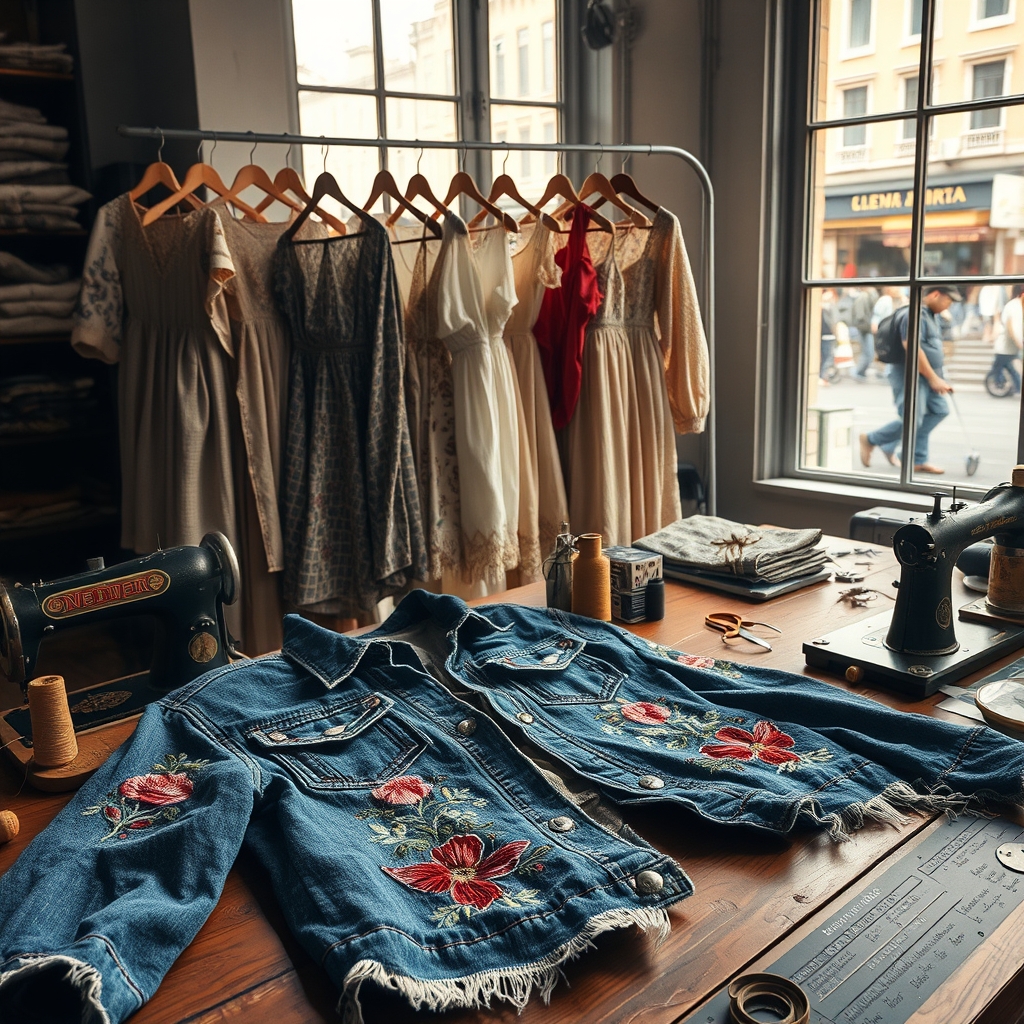
The first time I held a garment older than myself, I felt the weight of time in the seams. It was a 1970s embroidered blouse, its threads still vibrant despite decades of existence, the faint scent of cedar and lavender clinging to the fabric like a ghost of its past owner. There was something sacred in the way the stitches told a story—of hands that had sewn them, of bodies that had worn them, of moments that had unfolded within their folds. That blouse was not just cloth; it was an archive, a vessel of memory, and in its revival, I found a quiet resistance against the relentless march of fast fashion.
The Alchemy of Memory and Cloth
Vintage revival is more than a trend; it is an act of reclamation. In a world where clothing is often discarded before its time, giving new life to a pre-loved garment is a radical gesture. It is a refusal to let stories fade into landfills, a defiance against the disposable culture that treats fashion as ephemeral. Each upcycled piece carries the echoes of its former life, transformed yet still bearing the marks of its history—like a palimpsest, where the past and present coexist in delicate tension.
There is a particular magic in the way a vintage dress drapes over the body, as if it remembers the shape of its previous wearer and adjusts accordingly. The fabric softens with time, molding itself to the contours of the new owner, creating a bond that mass-produced clothing can never replicate. This intimacy is what makes vintage revival so compelling. It is not just about aesthetics; it is about connection—a tangible link to the hands that crafted it, the lives it has touched, and the future it might yet inspire.
The Craft of Reinvention
Upcycling, at its core, is an art of reinvention. It takes the discarded and the overlooked and reimagines them into something new, something beautiful. A frayed denim jacket becomes a patchwork masterpiece; a worn-out sweater is unraveled and reborn as a cozy, textured scarf. The process is alchemical, turning base materials into gold through creativity and care. It is a practice that demands patience, vision, and a deep respect for the material itself.
What I find most poetic about upcycling is its inherent unpredictability. Unlike traditional fashion design, where the outcome is often predetermined, upcycling is a dialogue with the fabric. The material speaks, and the designer listens. A stain becomes a design element; a tear becomes an opportunity for embellishment. There is no waste, only potential. In this way, upcycling mirrors the natural world, where nothing is ever truly discarded—only transformed.
The Ethics of Embracing the Past
In a society obsessed with the new, choosing vintage or upcycled garments is an ethical stance. It is a rejection of the exploitative practices that underpin fast fashion—of sweatshops and environmental degradation, of the relentless pressure to consume. By embracing the old, we challenge the notion that value is tied to novelty. We say, instead, that beauty can be found in longevity, in the stories that accumulate with time.
This shift in perspective is not without its complexities. Vintage shopping can sometimes feel like an archaeological dig, sifting through layers of history to find the pieces that resonate. There is a responsibility, too, in how we engage with the past. Not all vintage garments are created equal—some carry the weight of cultural appropriation or problematic histories. To wear them thoughtfully is to acknowledge those layers, to honor the origins of the craftsmanship while recontextualizing it for the present.
The Future Woven from Threads of the Past
Perhaps the most profound lesson of vintage revival and upcycling is that the future does not have to be built from scratch. We can look to the past for inspiration, for wisdom, for the blueprints of a more sustainable way of living. The circular economy is not a new concept; it is an ancient one, revived for modern times. It reminds us that fashion, at its best, is cyclical—not linear. It is about renewal, not replacement.
When I wear that embroidered blouse now, I think of the hands that stitched it, the lives it has touched, and the future it might yet inspire. It is a reminder that clothing is not just something we put on our bodies; it is something we carry with us, a silent witness to our lives. In a world that moves too fast, where trends flicker and fade like candle flames, there is something deeply grounding about wrapping yourself in a piece of history. It is a small act of rebellion, a whisper against the tide of disposability, a promise that the stories we wear today will not be forgotten tomorrow.
The luminous archive of fashion is not just in museums or history books. It is in the thrift stores and flea markets, in the attics and closets, waiting to be rediscovered. Each garment is a thread in the tapestry of human experience, and by reviving them, we weave ourselves into that story. We become part of something larger than ourselves—a continuum of creativity, craftsmanship, and care. And in that act, we find not just style, but meaning.