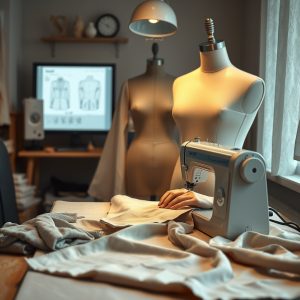
The Hush of Handmade: How Artisanal Craftsmanship and Upcycled Garments Are Stitching the Future of Fashion
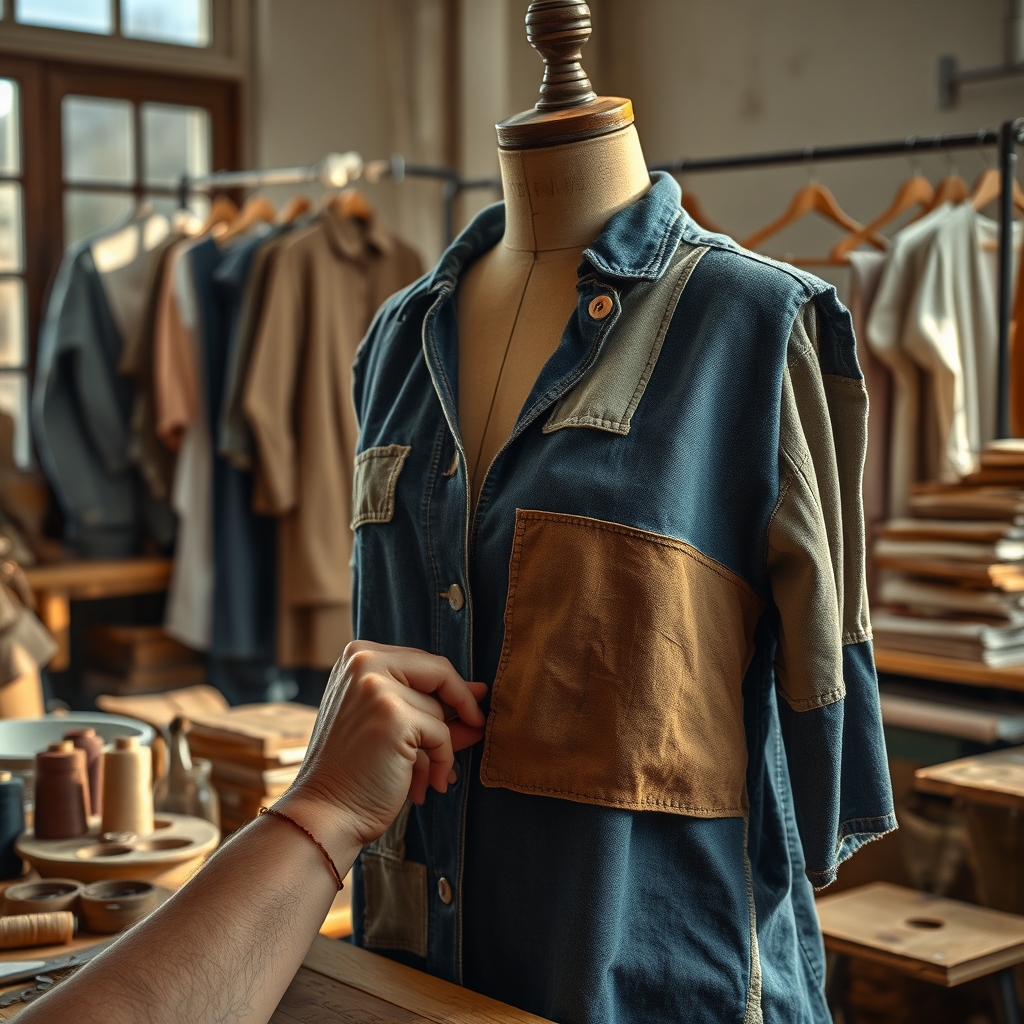
The first time I held a hand-stitched garment, I felt the weight of time in its seams. Not the heavy, oppressive kind that drags you down, but the gentle, rhythmic pulse of hours poured into every stitch—a quiet testament to patience, skill, and the unspoken dialogue between maker and material. There was no label screaming for attention, no synthetic sheen demanding admiration. Just cloth, thread, and the faintest whisper of human hands.
The Alchemy of Imperfection
In a world where fast fashion churns out garments like disposable thoughts, artisanal craftsmanship stands as a rebellion of slowness. Each piece is a conversation between the artisan and the fabric, a negotiation of texture, tension, and time. The irregularities—the slight asymmetry of a hem, the faint variations in dye—are not flaws but signatures, proof of a process that refuses to be rushed. These are clothes that carry stories, not just in their designs but in the very way they were brought to life.
Upcycled garments take this narrative further, transforming discarded materials into something new without erasing their past. A patchwork jacket stitched from old denim isn’t just a garment; it’s a collage of lives lived, a tangible rejection of waste. The frayed edges, the mismatched buttons, the faded prints—each element is a fragment of a larger story, repurposed into something that feels both familiar and entirely original. There’s a poetry in this transformation, a kind of alchemy that turns the forgotten into the cherished.
The Intimacy of Wear
Wearing something handmade is an intimate act. It’s not just about covering the body but about engaging with the labor, the love, and the intention behind the fabric. There’s a vulnerability in it, too—the knowledge that someone, somewhere, took the time to create this thing that now rests against your skin. It’s a far cry from the impersonal efficiency of mass production, where garments are churned out by machines, untouched by human hands until they reach the consumer.
This intimacy extends to the way we care for these pieces. A hand-knit sweater isn’t just tossed into the wash; it’s hand-washed, dried flat, folded with care. The act of maintenance becomes part of the garment’s life cycle, a ritual that deepens the connection between wearer and worn. In this way, artisanal and upcycled fashion don’t just clothe us—they teach us to slow down, to pay attention, to treat our belongings as extensions of ourselves.
The Unseen Cost of Convenience
We’ve been sold the lie that convenience is king. That a $10 T-shirt is a triumph of modern living, a testament to our ability to consume without consequence. But convenience has a cost, one that’s paid in polluted rivers, exploited labor, and mountains of textile waste. The fashion industry is one of the world’s largest polluters, a fact that’s as staggering as it is sobering. Yet, in the face of this, artisanal craftsmanship and upcycling offer a different path—one that values quality over quantity, longevity over disposability.
When we choose a handmade garment or an upcycled piece, we’re not just buying fabric. We’re investing in a philosophy, one that rejects the idea that more is always better. We’re saying no to the relentless cycle of trends and yes to the quiet beauty of things that last. This isn’t about sacrifice; it’s about rediscovering the joy of owning less but loving more deeply. It’s about recognizing that the true luxury isn’t in having everything, but in cherishing what we have.
The Future Woven by Hand
The future of fashion isn’t just about technology or innovation—though those have their place. It’s about reconnecting with the human element, the hands that shape the fabric, the eyes that see the potential in what others discard. It’s about understanding that sustainability isn’t just a buzzword but a practice, a way of engaging with the world that honors both the planet and the people who inhabit it.
Artisanal craftsmanship and upcycled garments are more than trends; they’re a return to a way of making and wearing clothes that feels almost radical in its simplicity. They remind us that fashion isn’t just about what we look like, but about how we live, how we consume, and how we connect with the world around us. In a culture that often equates value with newness, they offer a counter-narrative: that beauty can be found in the old, the repaired, the reimagined.
Perhaps the most revolutionary act we can commit is to wear our clothes with intention—to choose pieces that resonate with us on a deeper level, to care for them as though they matter, because they do. In doing so, we’re not just dressing our bodies; we’re dressing our values, stitching our beliefs into the very fabric of our lives. And in that quiet act, we find a kind of elegance that no fast fashion trend could ever replicate.