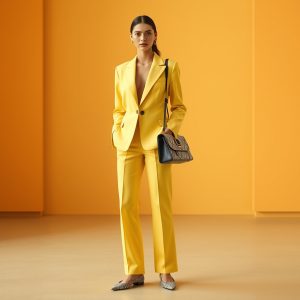
The New Guardians of Subtlety: How Utility Dressing and Poet Core Are Redefining the Architecture of Slow Living
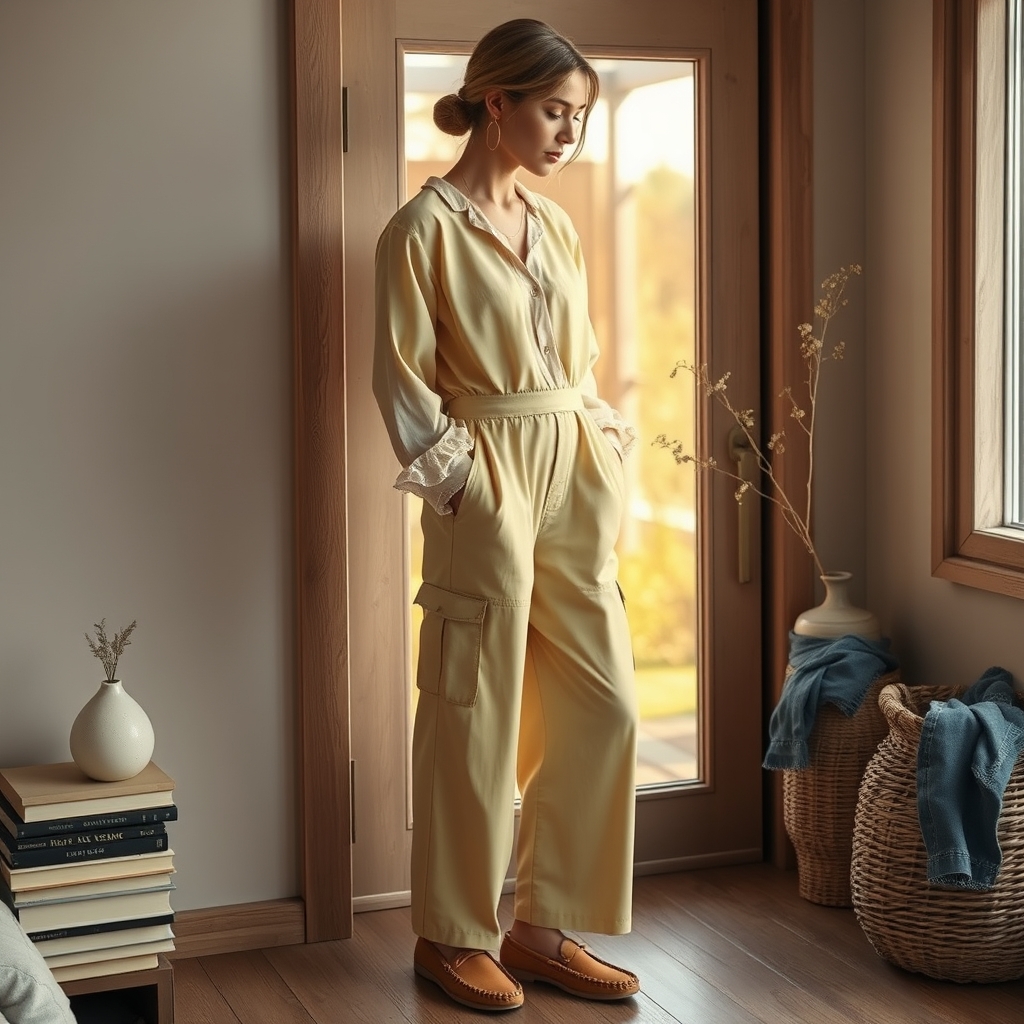
The contemporary fashion landscape is undergoing a quiet revolution, one that eschews the overt glamour of Glamoratti in favor of a more introspective, almost philosophical approach to dressing. At the heart of this shift lies the confluence of Utility Dressing and Poet Core, two aesthetics that, at first glance, appear diametrically opposed. Yet, their union is crafting a new lexicon of slow living—one that values intention over impulse, substance over spectacle, and subtlety over statement.
The Paradox of Utility and Poetry
Utility dressing, with its roots in functionality and pragmatism, has long been associated with the unadorned, the efficient, and the unapologetically practical. Think Brut Denim, sturdy moccasins, and the muted palette of Butter Yellow and creamy neutrals. It is a mode of dressing that speaks to the modern individual’s desire for simplicity, for garments that serve a purpose beyond mere ornamentation. Yet, within this framework of utility, there exists an unexpected poetry—a quiet elegance that emerges not from excess, but from restraint.
Enter Poet Core, an aesthetic that draws from the romanticism of literature, the introspection of verse, and the delicate interplay of texture and tone. It is the antithesis of the loud, the brash, and the transient. Instead, it favors the understated, the layered, and the timeless. When utility dressing intersects with poet core, the result is a sartorial language that is both grounded and ethereal, a harmonious blend of the earthy and the otherworldly.
The Role of Color: Creamy Neutrals and the Illusion of Light
Color plays a pivotal role in this new aesthetic, particularly the soft, luminous hues of Creamy Yellow and its warmer counterpart, Butter Yellow. These shades are not merely colors; they are moods, evoking the gentle warmth of a summer’s morning or the quiet glow of candlelight in a dimly lit room. Unlike the bold, saturated tones that dominate much of contemporary fashion, creamy neutrals offer a sense of calm, a visual respite from the chaos of modern life.
In the context of utility dressing, these hues serve a dual purpose. They soften the austerity of functional garments, imbuing them with a sense of approachability and warmth. A Brut Denim jumpsuit, for instance, when rendered in a creamy yellow, transcends its utilitarian origins, becoming something almost poetic—a garment that is as much about emotion as it is about function. Similarly, a utility dress in a buttery hue can evoke the effortless elegance of a Retro Summer, while still retaining its practical, wearable appeal.
The Texture of Intention: Fabric as Narrative
If color is the mood of this new aesthetic, then fabric is its narrative. The interplay of textures—rough and smooth, matte and lustrous—creates a tactile experience that is as much a part of the aesthetic as the garments themselves. Romantic Fabrics, with their delicate drapes and soft handfeels, find an unlikely partner in the sturdy, unyielding nature of brut denim and utility fabrics. The contrast is not jarring but rather complementary, a testament to the idea that beauty can be found in the balance between strength and softness.
Consider the juxtaposition of a Guardian Design trench coat—structured, water-resistant, and built for durability—paired with a poet core-inspired blouse in a diaphanous, romantic fabric. The result is a study in contrasts, yet the two elements coexist harmoniously, each enhancing the other. This is the essence of the new slow living: a recognition that beauty is not monolithic but multifaceted, that elegance can be found in the marriage of opposites.
The Footwear of the New Guardians
No discussion of this aesthetic would be complete without addressing the role of footwear. Here, too, the interplay of utility and poetry is evident. Moccasins, with their soft, pliable soles and understated design, embody the principles of slow living. They are shoes that prioritize comfort without sacrificing style, that speak to a desire for movement that is unhurried, deliberate. When paired with the structured lines of a utility dress or the rugged appeal of brut denim, they ground the look in a sense of ease and effortlessness.
Ballet flats, too, play a role in this narrative, though their contribution is more subtle. They are the quiet counterpoint to the boldness of Snake Print or the structured lines of a Mode Sportif ensemble. In the context of poet core, ballet flats become more than just a practical choice; they are a symbol of grace, of a return to a more measured, contemplative way of moving through the world.
The Architecture of Slow Living
At its core, this new aesthetic is about architecture—not in the literal sense, but in the way garments are constructed, layered, and worn. It is about the deliberate assembly of pieces that, when combined, create something greater than the sum of their parts. Utility dressing provides the foundation, the structural integrity of the look. Poet core, meanwhile, adds the decorative elements, the flourishes that transform a simple outfit into a statement of intent.
This is not fashion for the sake of fashion. It is fashion as a form of self-expression, a way of signaling one’s values and priorities. The rise of slow living as a cultural movement has given birth to a new kind of consumer—one who values quality over quantity, longevity over trendiness, and substance over surface. In this context, utility dressing and poet core are not just aesthetics; they are philosophies, a way of engaging with the world that is both mindful and meaningful.
The garments we choose to wear are no longer just about making an impression; they are about making a statement. They are a reflection of our desire to slow down, to savor the moment, to find beauty in the everyday. In a world that often feels frenetic and overwhelming, this new aesthetic offers a path to something quieter, something more considered. It is a reminder that fashion, at its best, is not just about what we wear, but how we choose to live.