The Hushed Dialogue of Stitches: How Digital Pattern Development and Anthropometric Whispers Are Crafting the Future of Fit
There is a quiet conversation happening in the spaces between thread and skin, a dialogue so subtle it often goes unnoticed. It is the whisper of fabric against the body, the silent negotiation of a seam as it curves around a shoulder, the gentle resistance of cloth as it yields to movement. This is the language of fit—a language that has, for centuries, been spoken in hushed tones by tailors and dressmakers, their hands guided by intuition and experience. But now, something extraordinary is happening. The conversation is evolving, becoming richer, more precise, and infinitely more inclusive, thanks to the marriage of digital pattern development and anthropometric design.
The Body as a Living Blueprint
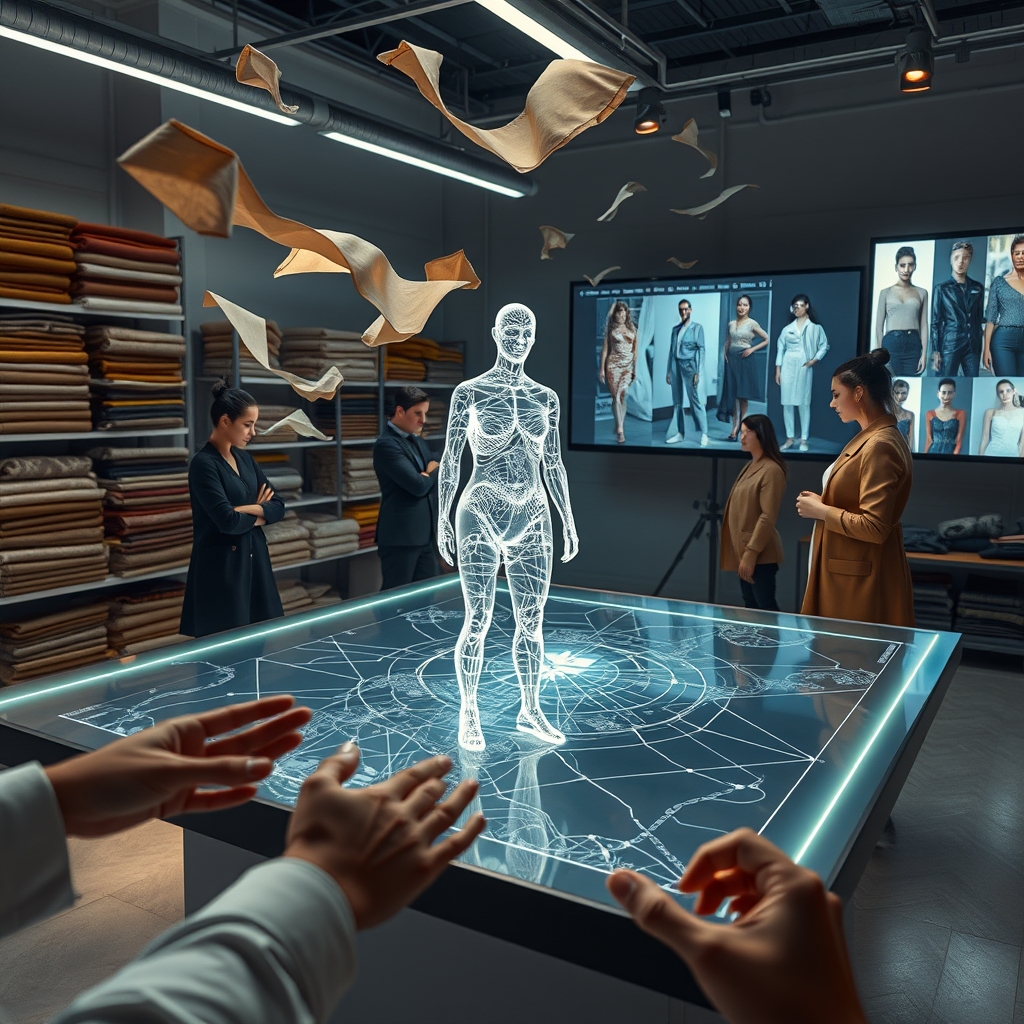
Every body is a story, a unique constellation of curves, angles, and proportions. For too long, fashion has relied on standardized sizing, forcing these stories into rigid, ill-fitting templates. But what if clothing could be as individual as the bodies it adorns? What if every stitch could be a response to the body’s silent requests—its need for ease, its desire for movement, its unspoken preferences? This is the promise of anthropometric design, a field that treats the body not as a static form but as a dynamic, breathing entity. By capturing the nuances of human anatomy through 3D scanning and data-driven analysis, designers can now draft patterns that adapt to the body’s language, rather than the other way around.
Digital pattern development has become the bridge between this data and the tangible world of fabric. Where once a tailor’s shears cut blindly into cloth, guided only by measurements scribbled on paper, now algorithms translate the body’s geometry into precise, digital blueprints. These patterns are not just accurate; they are alive, capable of adjusting in real-time to the slightest shift in posture or movement. The result is clothing that doesn’t just fit—it listens.
The Alchemy of Zero-Waste
But precision is only part of the story. The other, equally vital chapter, is sustainability. The fashion industry has long been a paradox: a world of creativity built on a foundation of waste. Every year, millions of yards of fabric are discarded, the remnants of patterns that prioritized speed over efficiency. Zero-waste pattern cutting is changing that narrative. By treating fabric as a finite resource, designers are now crafting patterns that leave no scrap behind, where every cut is deliberate, every seam a calculated embrace of the cloth’s potential.
This approach is not just about reducing waste; it is about reimagining the relationship between designer and material. It requires a deep understanding of fabric’s behavior, its drape, its stretch, its willingness to bend and fold. It is a dance, one where the designer leads with intention, and the fabric responds with grace. When combined with digital pattern development, zero-waste cutting becomes a symphony of efficiency and artistry, where every stitch serves a purpose, and every garment tells a story of mindful creation.
The Virtual Mirror: Where Imagination Meets Reality
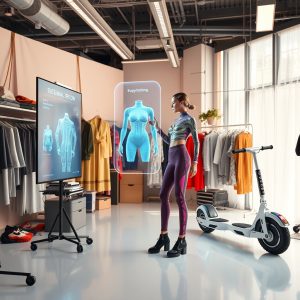
Yet, even the most meticulously crafted pattern is only as good as its execution. This is where virtual try-on technology steps in, transforming the fitting room from a place of frustration into a space of discovery. No longer must we endure the awkwardness of ill-fitting garments or the disappointment of a style that looked perfect on a hanger but failed to translate to our bodies. With virtual try-on, the mirror becomes a portal, a place where we can see ourselves in garments that don’t yet exist, where we can experiment with silhouettes, colors, and textures without ever lifting a finger.
But this technology is more than just a convenience; it is a democratization of fit. It allows designers to test their creations on a diverse range of bodies, ensuring that their work is inclusive and accessible. It empowers consumers to make informed choices, to see how a garment will move with them, breathe with them, become a part of them. In this way, virtual try-on is not just a tool—it is a conversation, a dialogue between designer and wearer that begins long before the first stitch is sewn.
The Future Woven in Threads of Data and Dream
What does the future hold for this evolving language of fit? Perhaps it lies in the fusion of technology and tradition, where the precision of digital pattern development meets the soul of handcrafted design. Imagine a world where clothing is not just worn but experienced, where every garment is a collaboration between the wearer’s body, the designer’s vision, and the silent wisdom of the fabric itself. This is the promise of adaptive clothing solutions, of modular systems that evolve with us, of garments that learn our preferences and adjust accordingly.
Or perhaps the future is even more radical—a world where clothing is no longer a static object but a living extension of ourselves, responsive to our moods, our movements, our very breath. Smart textiles and interactive design are already hinting at this possibility, weaving sensors and microprocessors into the very fabric of our clothes. These are not just garments; they are companions, silent witnesses to our lives, adapting and evolving alongside us.
The hushed dialogue of stitches is growing louder, more insistent. It is a conversation that invites us to listen, to participate, to reimagine what clothing can be. No longer just a covering, a shield, or a statement, but a living, breathing entity that speaks to the body in a language as old as time and as new as the latest algorithm. And in this dialogue, we find not just fit, but belonging—not just clothing, but connection.