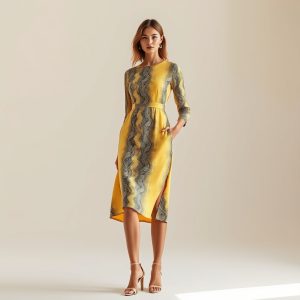
The New Geometry of Leisure: How Moccasins and Recreation Dressing Are Redefining the Jazz Age Revival
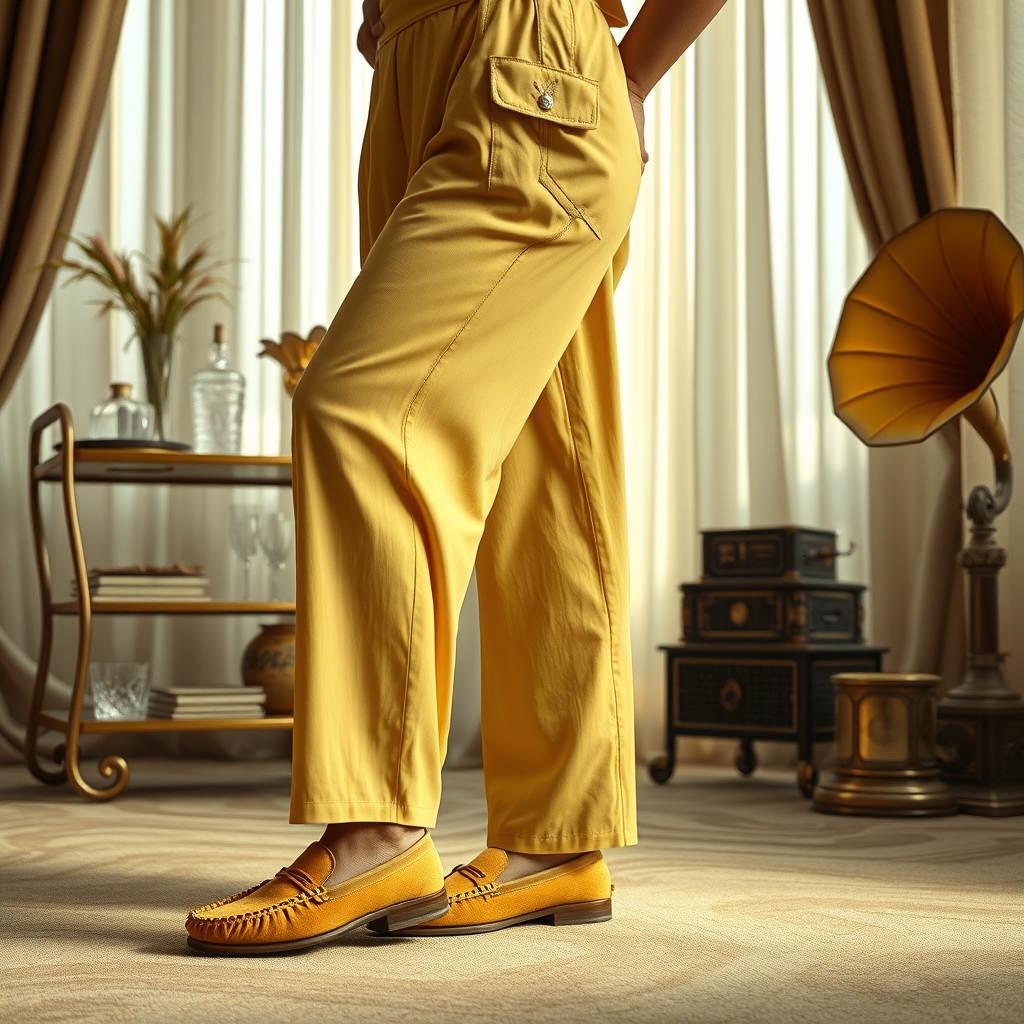
The Jazz Age was never just about the music—it was a philosophy of movement, a celebration of liberation wrapped in the sheen of satin and the clink of champagne flutes. Today, that spirit is being resurrected not through mere nostalgia, but through a deliberate reengineering of leisurewear, where the lines between recreation and refinement blur into something far more compelling. At the heart of this revival lies an unlikely duo: the humble moccasin and the evolving ethos of recreation dressing. Together, they are dismantling the rigid hierarchies of fashion, proving that elegance need not be sacrificed at the altar of comfort.
The Moccasin: A Subversive Symbol of Effortless Grace
The moccasin, with its origins rooted in Indigenous craftsmanship, has long been a silent rebel in the world of footwear. Unlike the stiletto, which demands attention, or the sneaker, which screams athleticism, the moccasin operates in the realm of quiet authority. Its soft leather, minimal seams, and understated silhouette make it the antithesis of fashion’s usual theatrics. Yet, it is precisely this unassuming nature that has allowed it to infiltrate the Jazz Age revival with such potency.
In an era where recreation dressing is no longer confined to the gym or the hiking trail, the moccasin has become the footwear equivalent of a well-worn novel—familiar, yet endlessly reinterpreted. Designers are now elevating it with unexpected materials: supple suede dyed in the muted tones of creamy yellow, or embellished with delicate animal prints that whisper rather than roar. The result is a shoe that feels both timeless and thoroughly modern, a bridge between the louche glamour of the 1920s and the unapologetic pragmatism of today.
Recreation Dressing: The New Uniform of the Discerning Flâneur
Recreation dressing, once a niche category relegated to the sidelines of fashion, has undergone a radical transformation. No longer is it merely about functionality; it is now a canvas for self-expression, a way to signal one’s allegiance to the ideals of slow living without forsaking style. The Jazz Age revival has played a pivotal role in this shift, as designers mine the era’s love of fluidity and movement to create garments that are as suited to a cocktail hour as they are to a leisurely stroll through the city.
The key to this evolution lies in the fusion of opposing aesthetics. Take, for instance, the utility dress reimagined with romantic fabrics—think silk faille paired with cargo pockets, or a bias-cut satin skirt adorned with functional straps. These pieces retain the ease of recreation dressing while infusing it with the decadence of the Jazz Age. Similarly, brut denim, once the domain of workwear, is now being softened with delicate embroidery or cut into wide-leg trousers that evoke the louche silhouettes of the 1920s. The message is clear: leisurewear is no longer an afterthought, but a cornerstone of modern elegance.
The Role of Color and Print in the Jazz Age Revival
Color has always been a powerful tool in fashion, and in the Jazz Age revival, it is wielded with surgical precision. Butter yellow, a hue that evokes both the warmth of a summer afternoon and the opulence of Art Deco interiors, has emerged as a favorite. It is a color that refuses to be ignored, yet it does not overwhelm—much like the moccasin itself. When paired with snake print or other animal motifs, it creates a visual tension that is both playful and sophisticated, a nod to the era’s love of excess without descending into caricature.
Prints, too, play a crucial role in this revival. Prints galore are no longer confined to bold, eye-catching statements; instead, they are used to add depth and intrigue to otherwise simple garments. A retro summer dress might feature a subtle geometric pattern inspired by the Jazz Age, while a mode sportif jacket could be adorned with a delicate floral embroidery that harks back to the era’s love of nature. These details serve as a reminder that recreation dressing is not about stripping away ornamentation, but about redefining it for a new age.
The Future of Leisure: Where Comfort Meets Cultivation
The Jazz Age was, at its core, a rebellion against the constraints of the past. Today, that rebellion is being reimagined through the lens of slow living, a movement that champions mindfulness, intentionality, and a rejection of the relentless pace of modern life. The moccasin and recreation dressing are not just trends; they are symbols of this shift, a way to reclaim leisure as something sacred rather than frivolous. They remind us that elegance is not about rigidity, but about the ease with which one moves through the world—whether that world is a speakeasy or a sunlit park.
As fashion continues to evolve, the lines between categories will only grow more porous. The moccasin will keep its soft, unassuming demeanor, while recreation dressing will push the boundaries of what it means to dress for leisure. Together, they are crafting a new language of style, one that speaks to the past while firmly rooted in the present. The Jazz Age revival is not just a fleeting trend; it is a blueprint for a future where fashion is as fluid and dynamic as the lives we lead.