
The Hushed Alchemy of Threads: How Zero-Waste Pattern Cutting and Anthropometric Whispers Are Crafting a New Language of Belonging
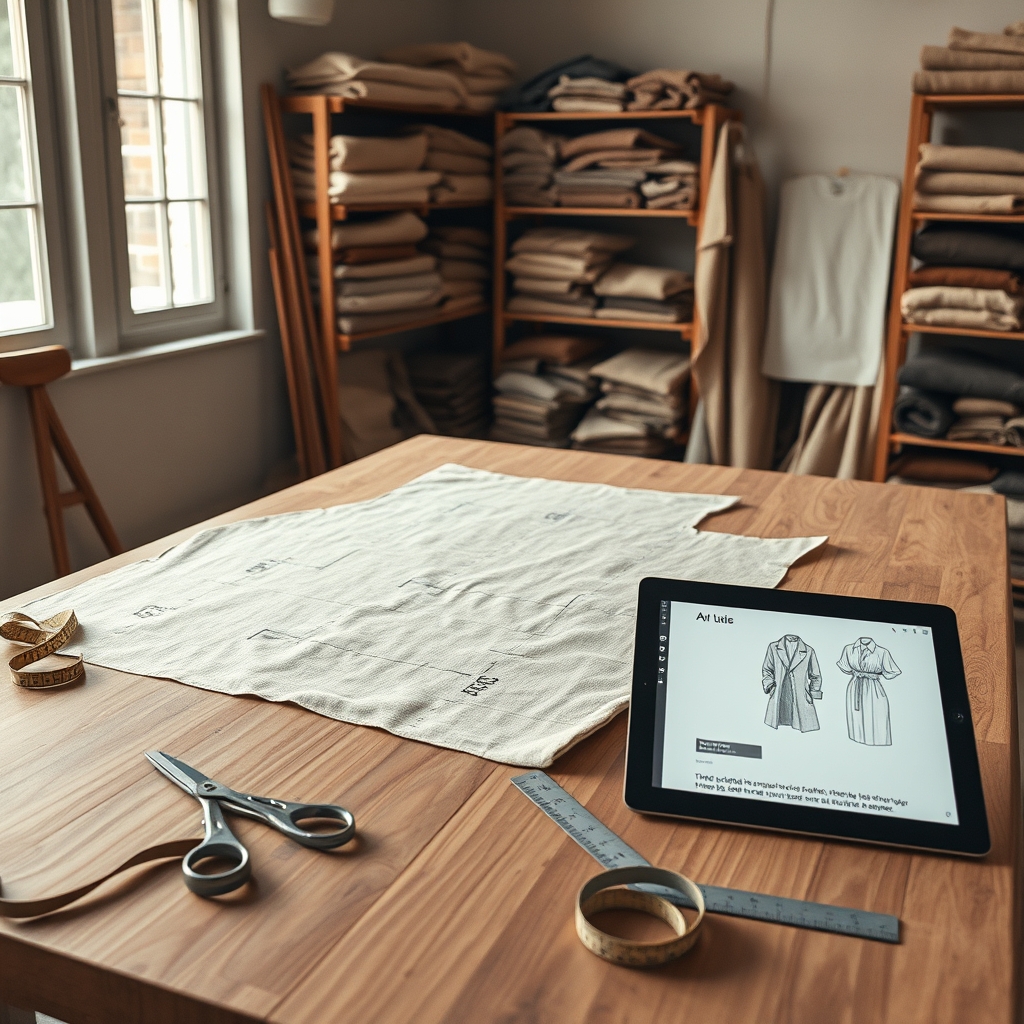
There is a quiet magic in the way a piece of fabric yields to the body, as if it already knows the curves and hollows it will soon embrace. It is not merely cloth but a conversation—a dialogue between the measured precision of anthropometric design and the intuitive grace of zero-waste pattern cutting. This is the alchemy of threads, where every cut is a whisper, every seam a promise, and every garment a silent ode to the body it adorns.
The Geometry of Silence
In the hushed atelier of modern garment construction, the scissors do not merely sever; they listen. Zero-waste pattern cutting is not just a technique but a philosophy, one that treats fabric as a finite poem, where every line must serve a purpose, every edge a meaning. The body, in its infinite variations, becomes the compass by which these patterns are drawn. No excess, no waste—only the quiet efficiency of a craft that respects both the material and the wearer.
Anthropometric design, with its meticulous measurements and digital precision, ensures that this efficiency does not come at the cost of fit. It is the science of belonging, the art of making cloth feel like a second skin. When these two disciplines converge, something extraordinary happens: the garment ceases to be an object and becomes an extension of the self. It moves with you, breathes with you, remembers you.
The Digital Embrace
Yet, this alchemy is not confined to the tactile world of scissors and thread. Digital pattern development has become the invisible hand that guides the modern tailor, allowing for a level of precision once deemed impossible. With 3D garment simulation, the body is no longer a static form but a living, breathing entity—one that can be draped, adjusted, and perfected in a virtual space before a single stitch is made.
This is where the future of fit begins to unfold. Virtual try-on technology does not just show how a garment will look; it reveals how it will feel. The way the fabric skims the collarbone, the subtle give of a seam at the elbow, the weight of a hem as it brushes the ankle—these are the unspoken languages of clothing, and digital tools are learning to speak them fluently. The result is a garment that does not just fit the body but understands it.
The Poetry of Restraint
There is a certain elegance in restraint, a beauty in the economy of means. Zero-waste pattern cutting is, at its core, an exercise in this restraint. It demands that the designer see not just the garment but the space between the pieces, the negative shapes that will become the seams, the darts, the folds. It is a dance of geometry and intuition, where the fabric dictates the form and the form honors the fabric.
This philosophy extends beyond the cutting table. Sustainable fabric selection becomes an act of reverence, a choice to work with materials that carry their own stories—organic cotton that has known the sun, linen that has whispered with the wind, recycled fibers that remember their past lives. The garment, then, is not just a product but a collaboration between the earth, the maker, and the wearer.
The Body as Blueprint
Anthropometric design optimization is the quiet revolution that ensures this collaboration is not just sustainable but deeply personal. It is the recognition that no two bodies are alike, that the standard sizing charts of the past were never more than approximations, rough sketches of a form that is always in flux. With digital tools and precision fit analysis, the body becomes its own blueprint, a unique map that the garment must follow.
This is where the true magic lies—not in the creation of clothing that fits, but in the creation of clothing that listens. A dress that knows when to cling and when to drape, a jacket that remembers the way your shoulders slope, a pair of pants that moves with the rhythm of your stride. These are the garments that do not just adorn but belong.
The Unseen Stitches
Perhaps the most profound shift in this new era of garment construction is the way it reframes our relationship with clothing. No longer are we passive consumers of mass-produced items; we are participants in a dialogue, co-creators of the pieces that will become part of our daily lives. Collaborative fashion prototyping invites the wearer into the process, turning the act of getting dressed into an ongoing conversation between body, maker, and material.
This is the future of fashion—not as a fleeting trend, but as a living, breathing entity that grows and evolves with us. The garments we wear become archives of our experiences, each stitch a memory, each seam a story. They are not just things we put on but extensions of who we are, silent witnesses to the lives we lead.
And so, the alchemy of threads continues, not in grand gestures but in quiet moments—the way a sleeve falls just so, the way a hem brushes the floor with the weight of intention, the way a garment, no matter how many times it is worn, always feels like it was made just for you. This is the language of belonging, spoken in the hushed tones of fabric and thread, a conversation that begins anew with every stitch.